Objects / 2011
Cube & Dot
Two complete bathroom collections for KALE, bringing coordinated tiles, washbasins, furniture and objects into two distinct design languages.
Developed for KALE as two complementary collections launched together. Across tiles, washbasins, furniture and bathroom objects, each family offers a different way to personalise a complete interior while remaining part of the same conceptual landscape.
Two geometries,
one landscape.
Conceived as a complete environment rather than a set of isolated products, Cube & Dot translates the elementary square and circle into two complementary spatial languages. Both collections invite individual composition: one through colour and three-dimensional structure, the other through touch, reflection and quiet graphic interruption.
- Client
- KALE
- Families
- Cube Collection + Dot Collection
- Scope
- Tiles · washbasins · furniture · bathroom objects
- Recognition
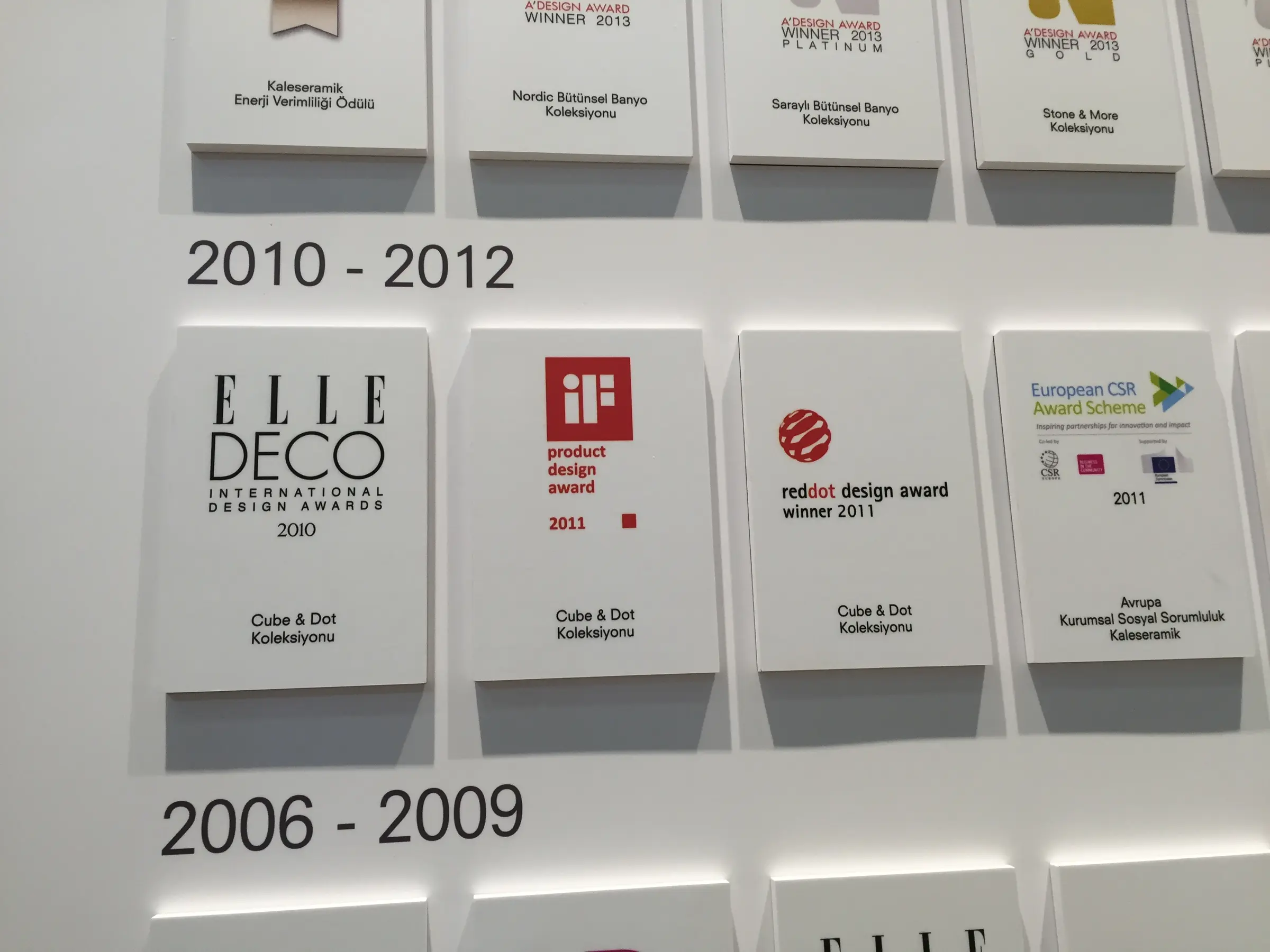
- Red Dot + iF Design Awards
Form becomes
architecture.
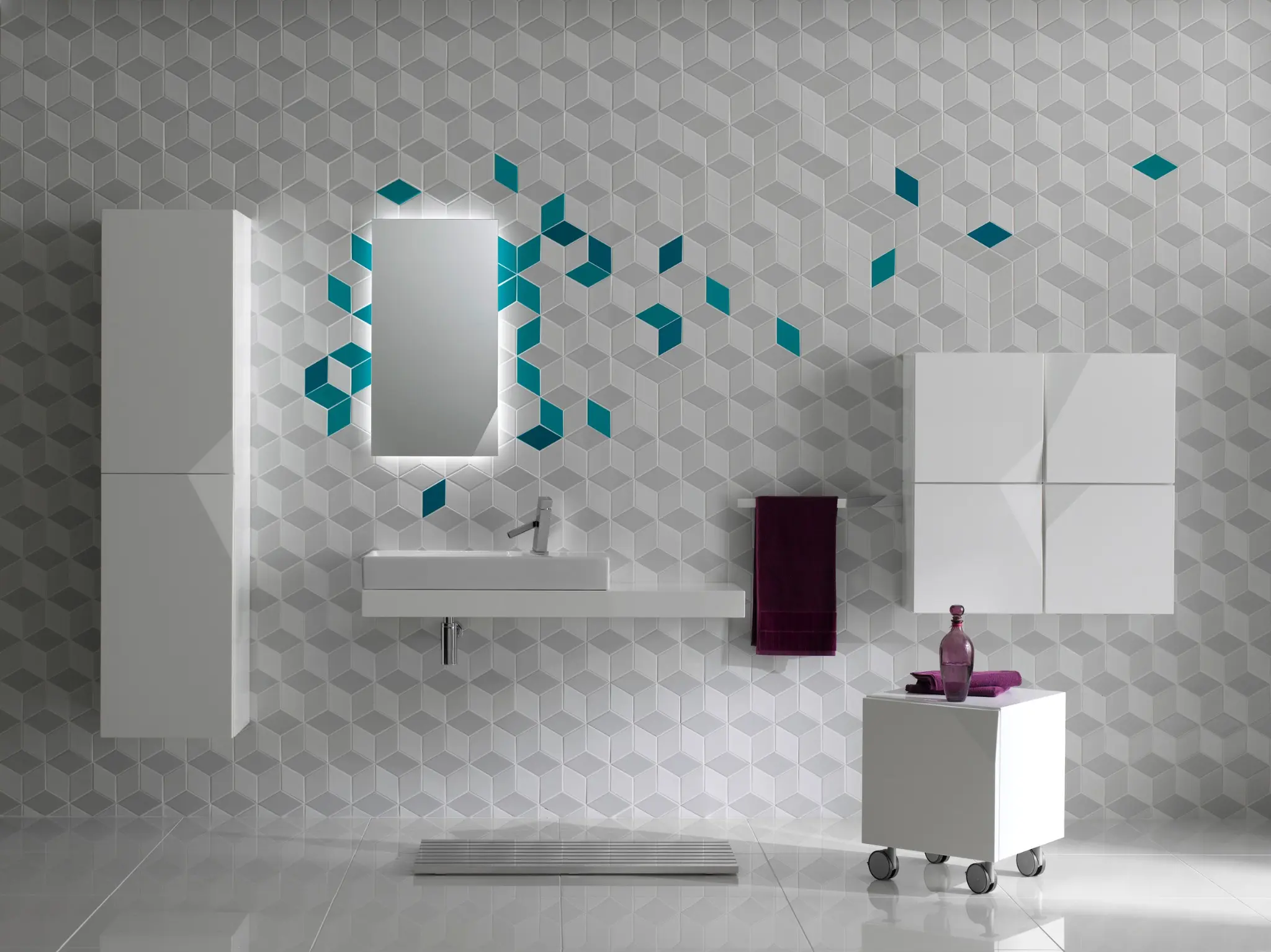
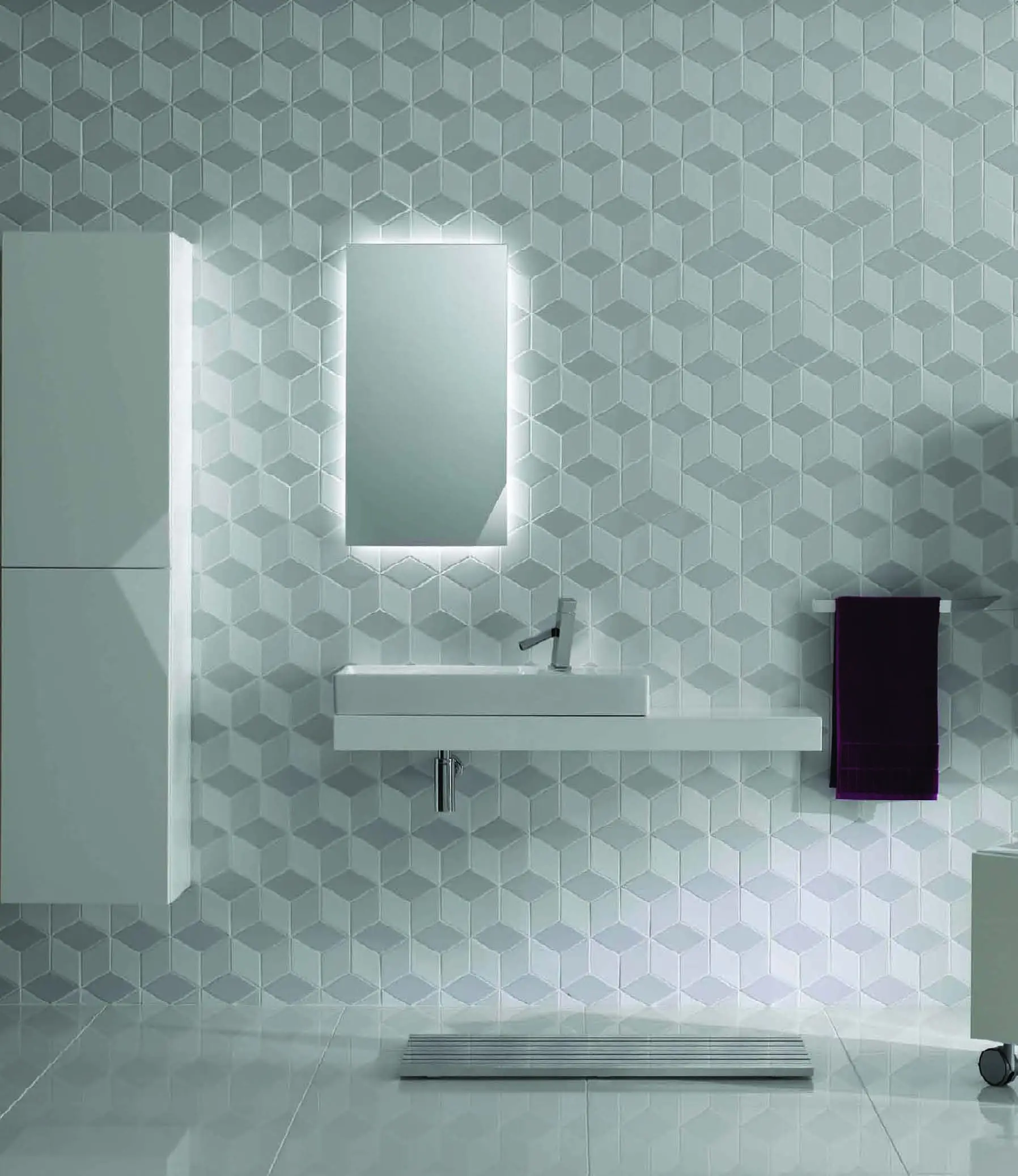
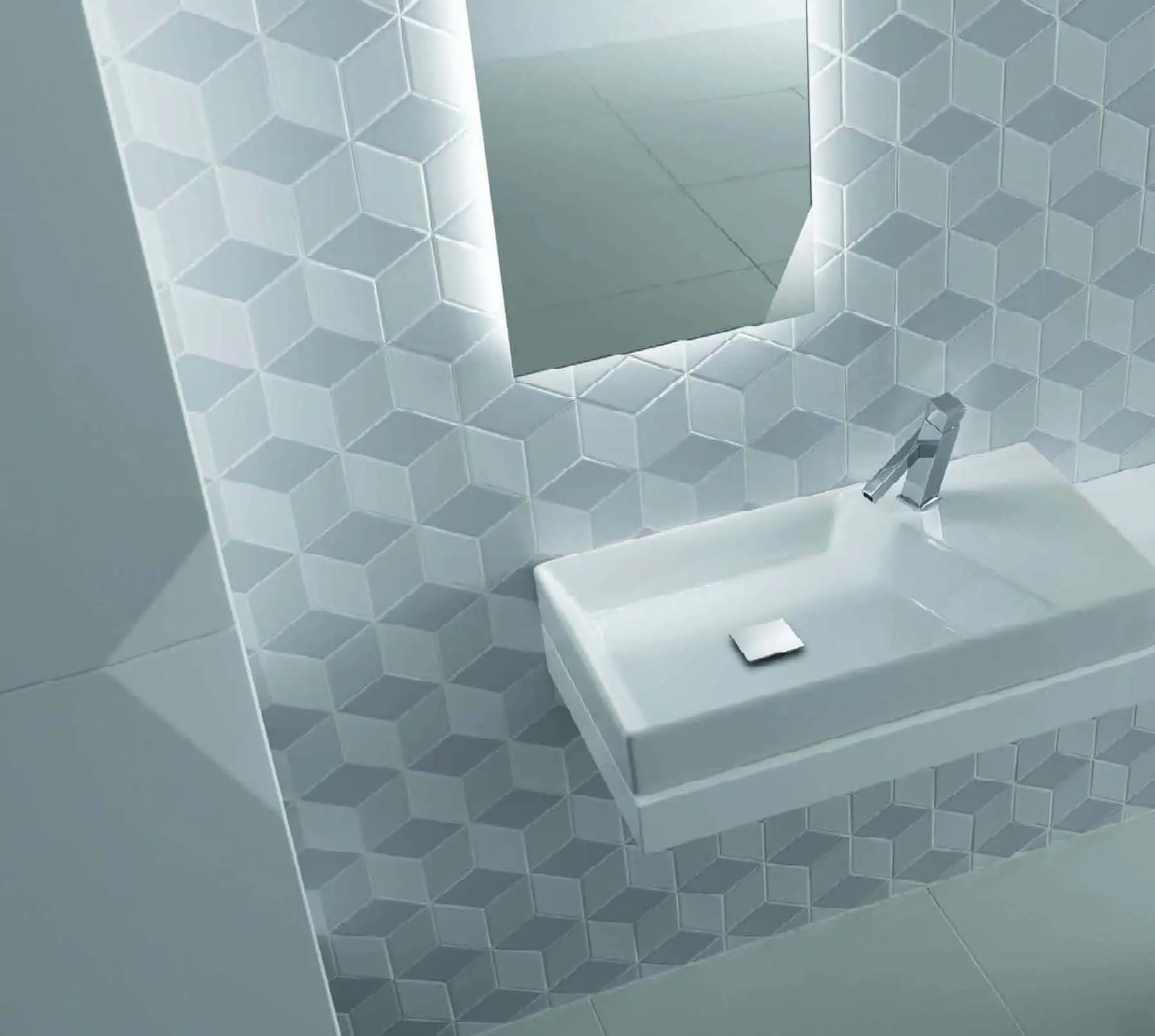
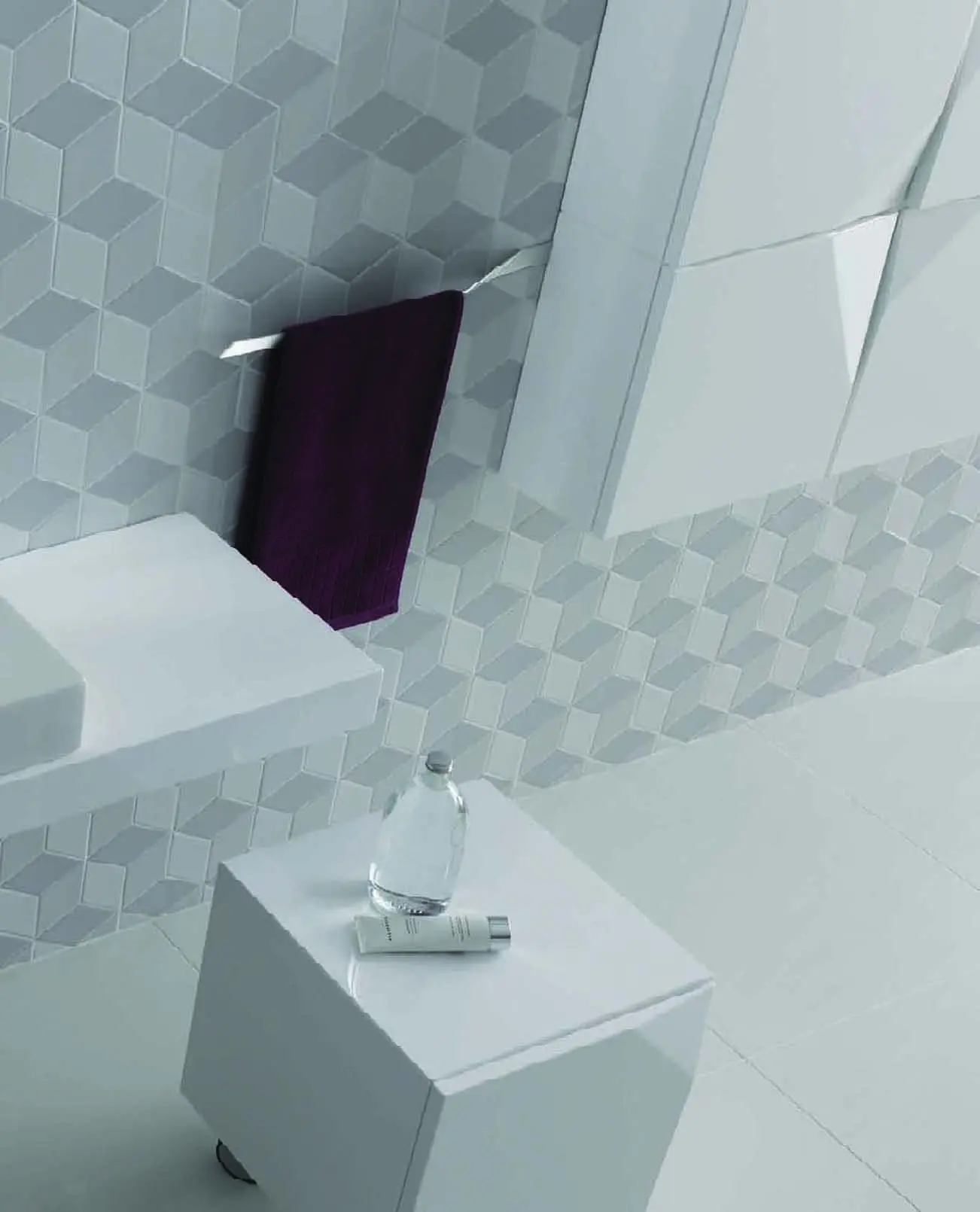
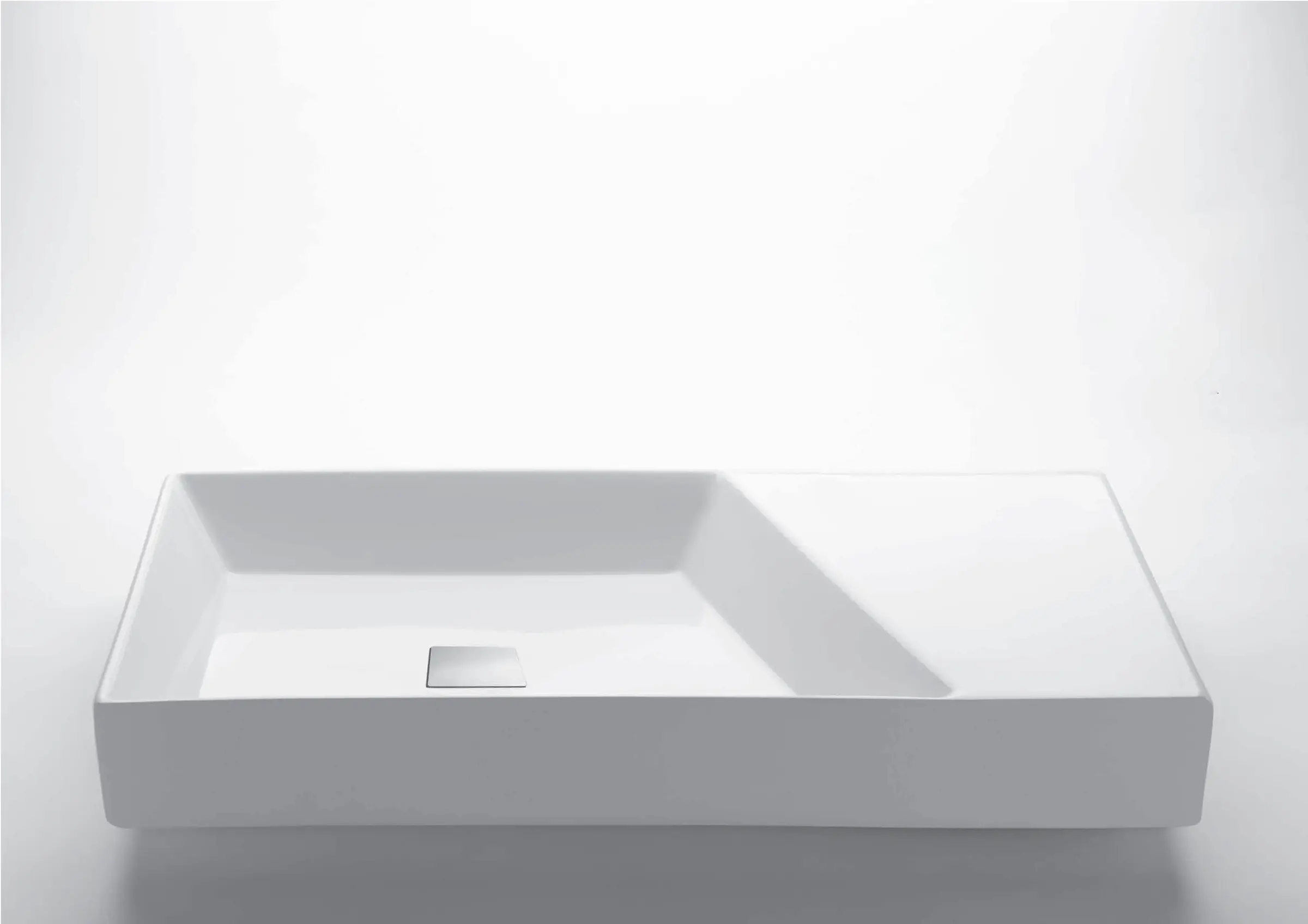
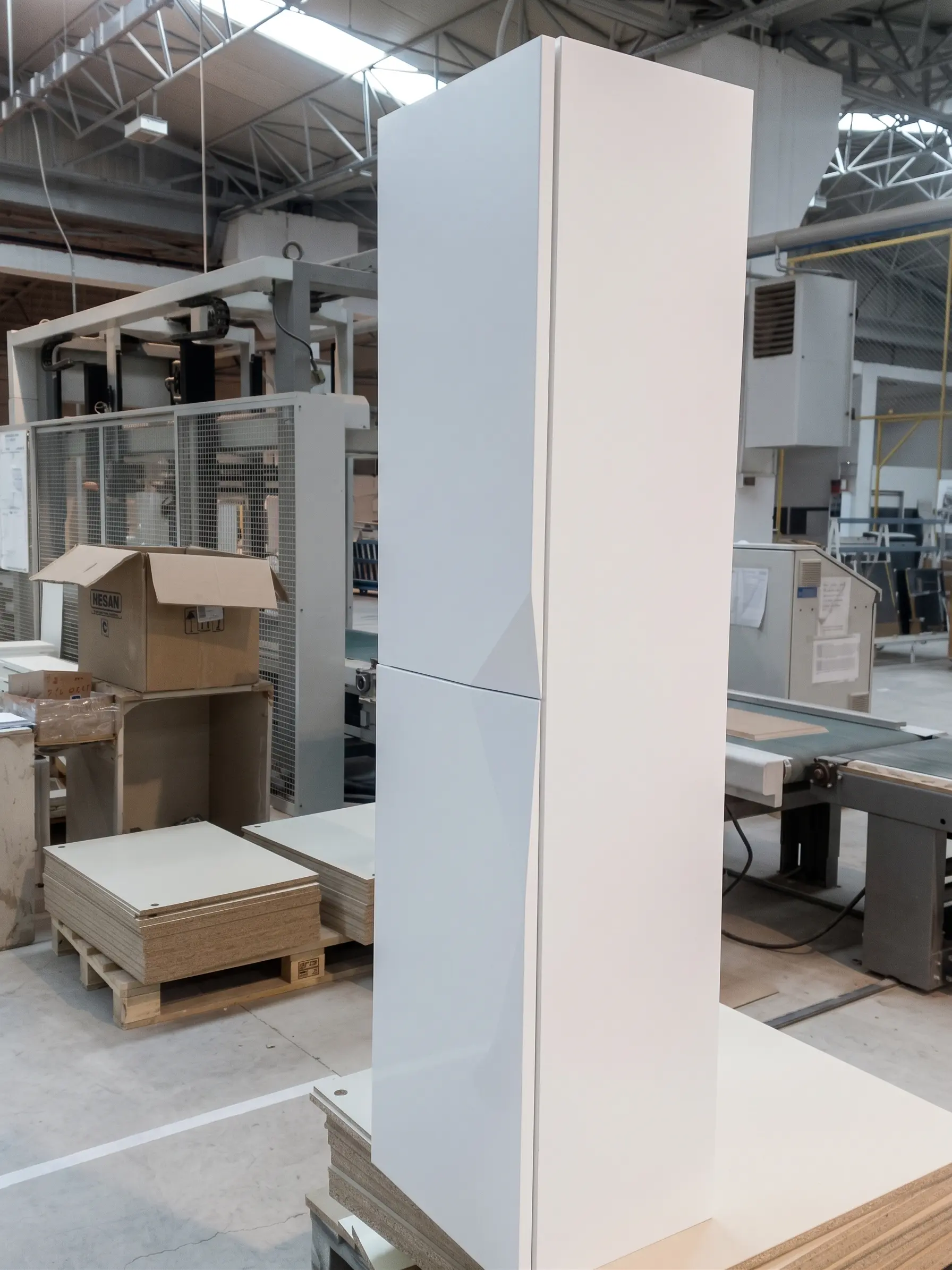
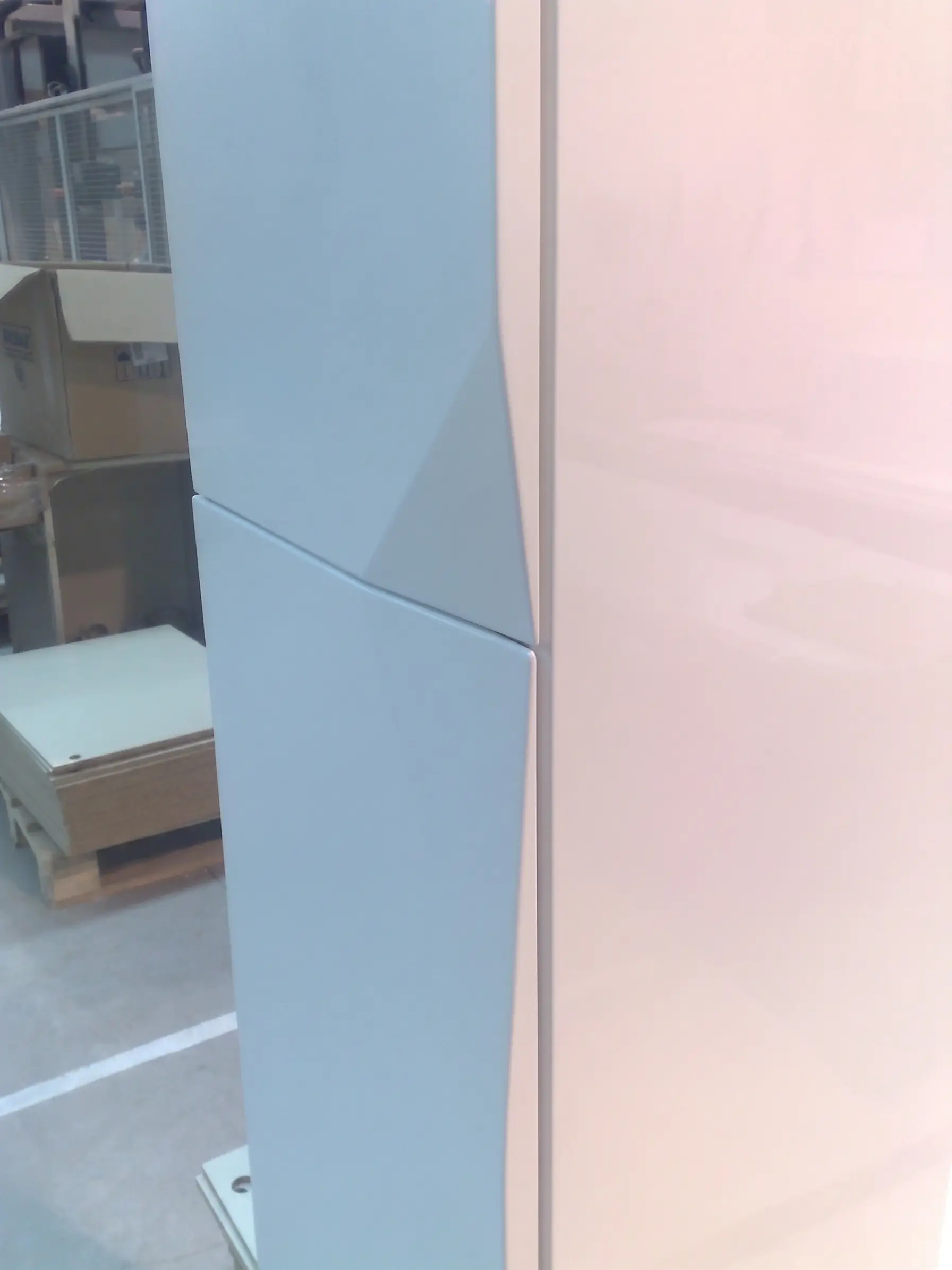
Cube turns colour and volume into a kit for shaping space. Faceted ceramic modules animate the wall in changing light, while the same precise geometry continues through washbasins and mobile storage.
A system built
at full scale.
The collection was resolved as furniture and architecture, not only as a graphic idea. Full-size workshop prototypes tested proportion, mobility, storage and how the cubic language would meet the body.
The surface
becomes tactile.
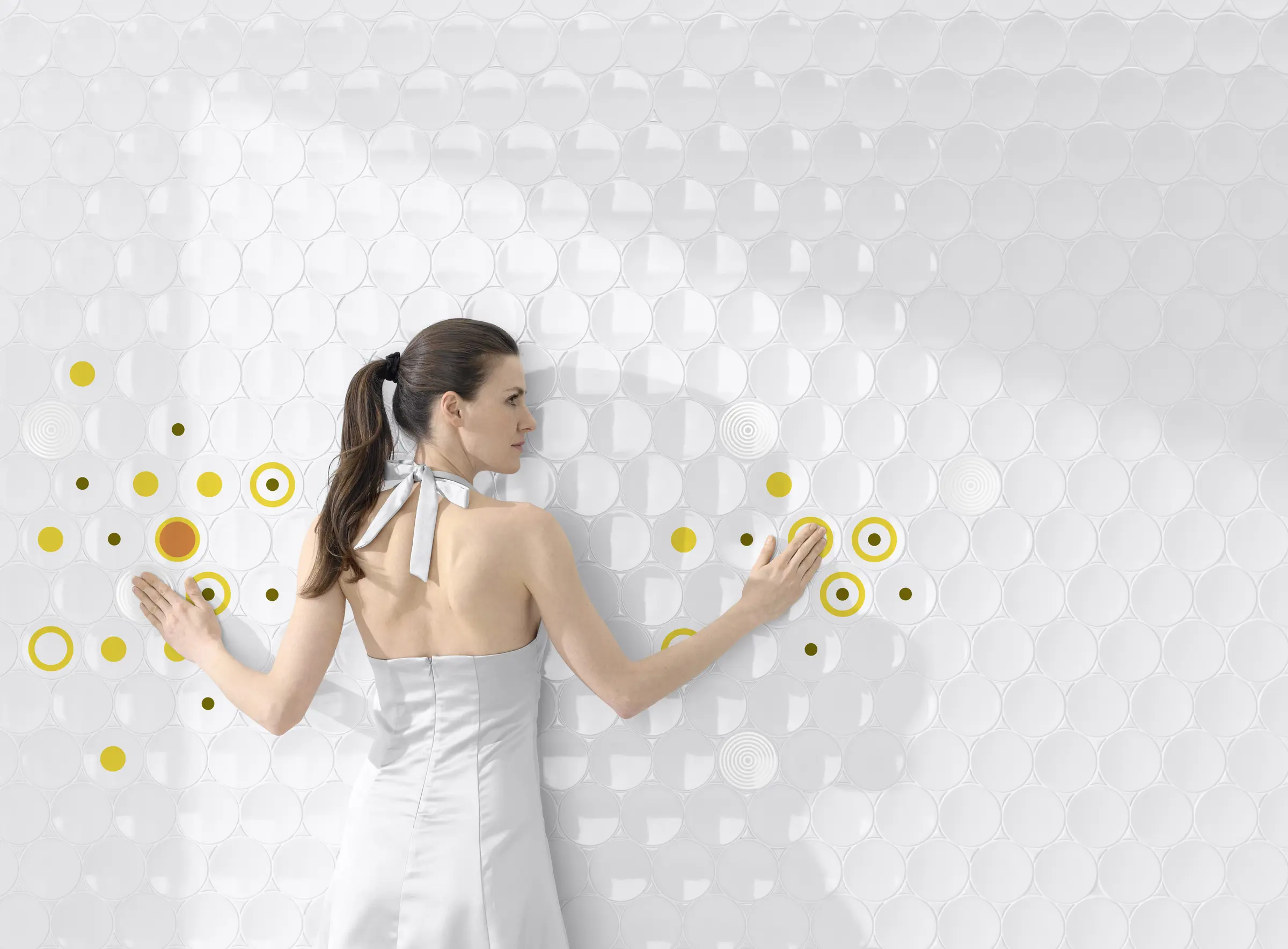
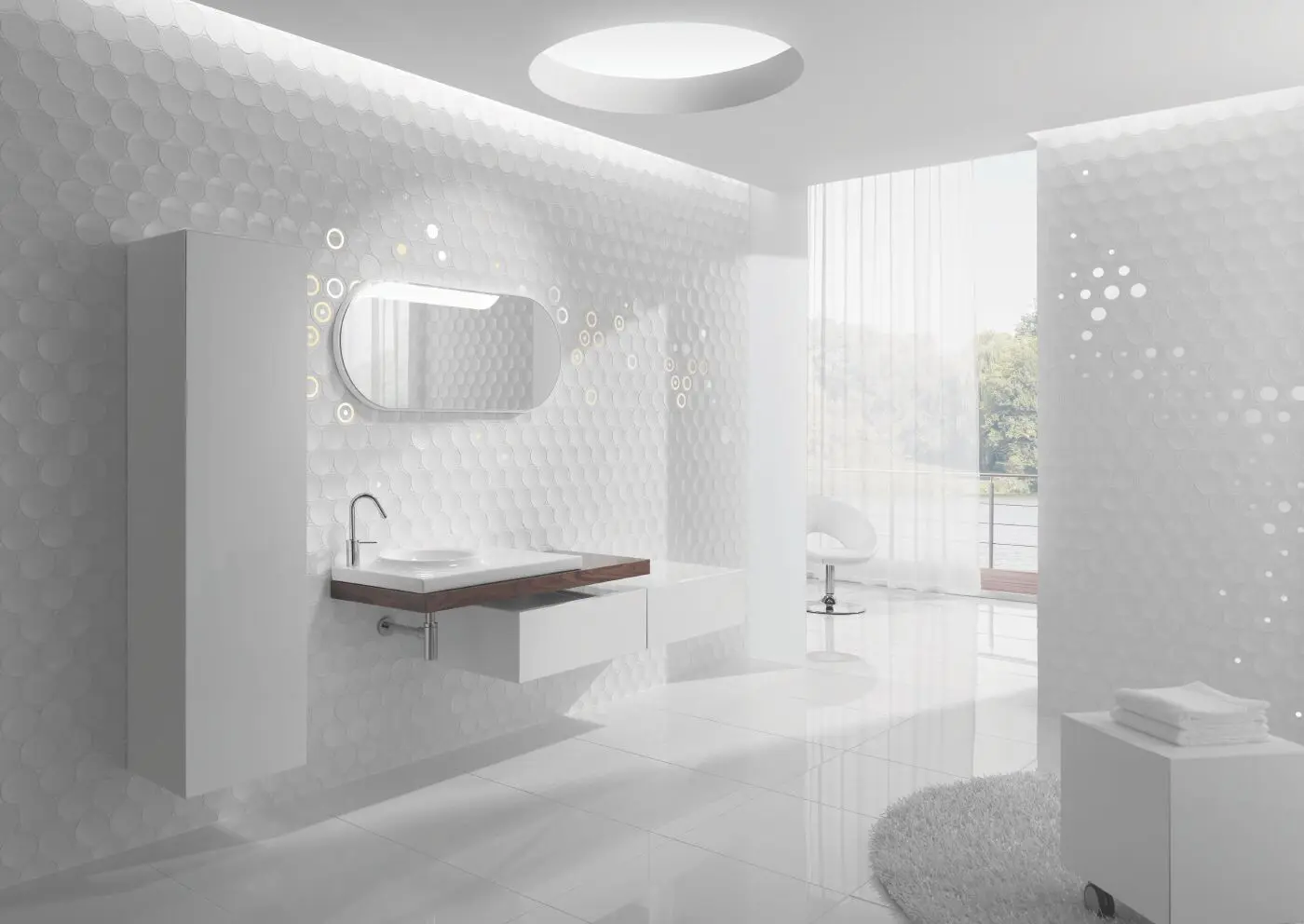
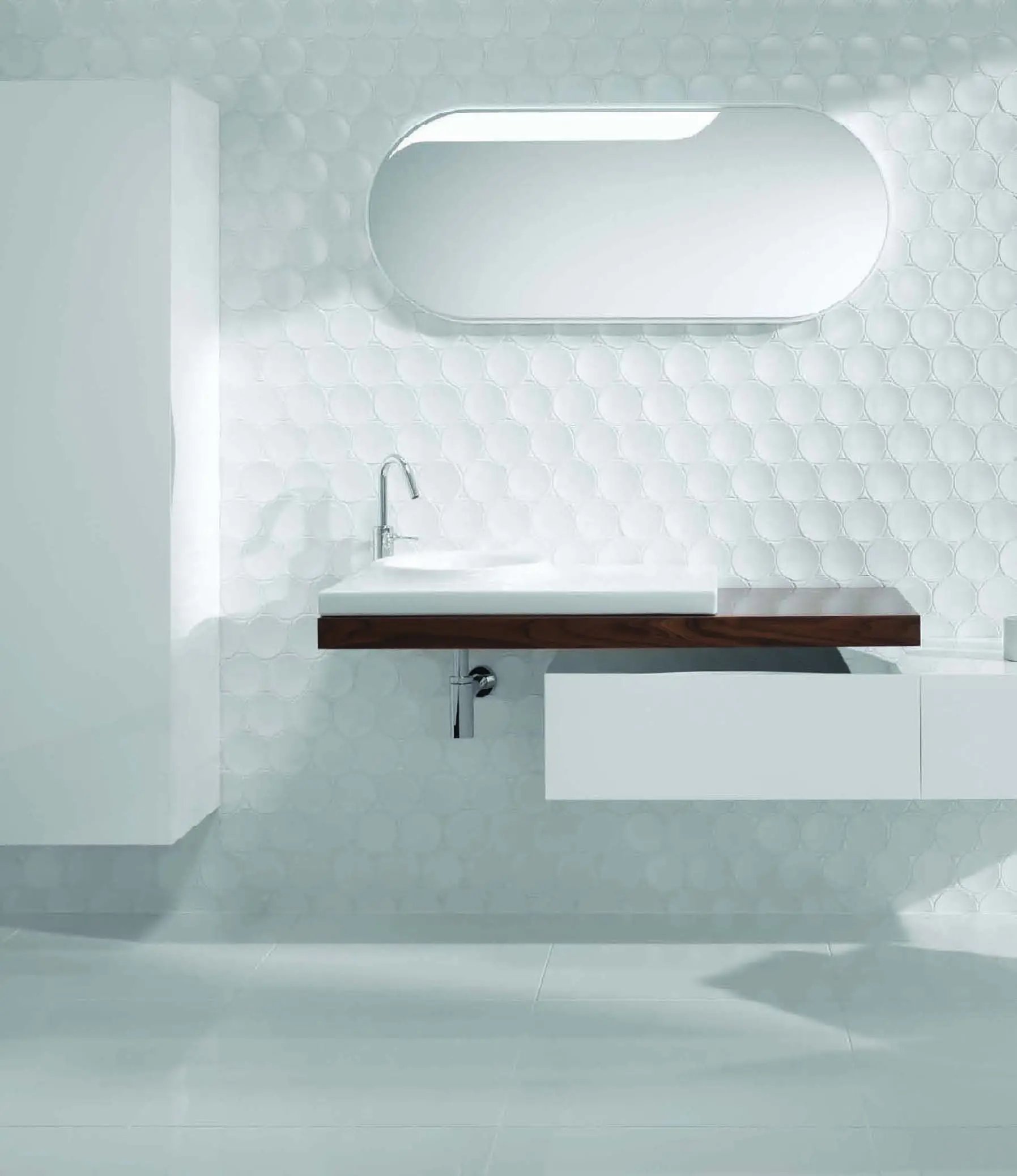
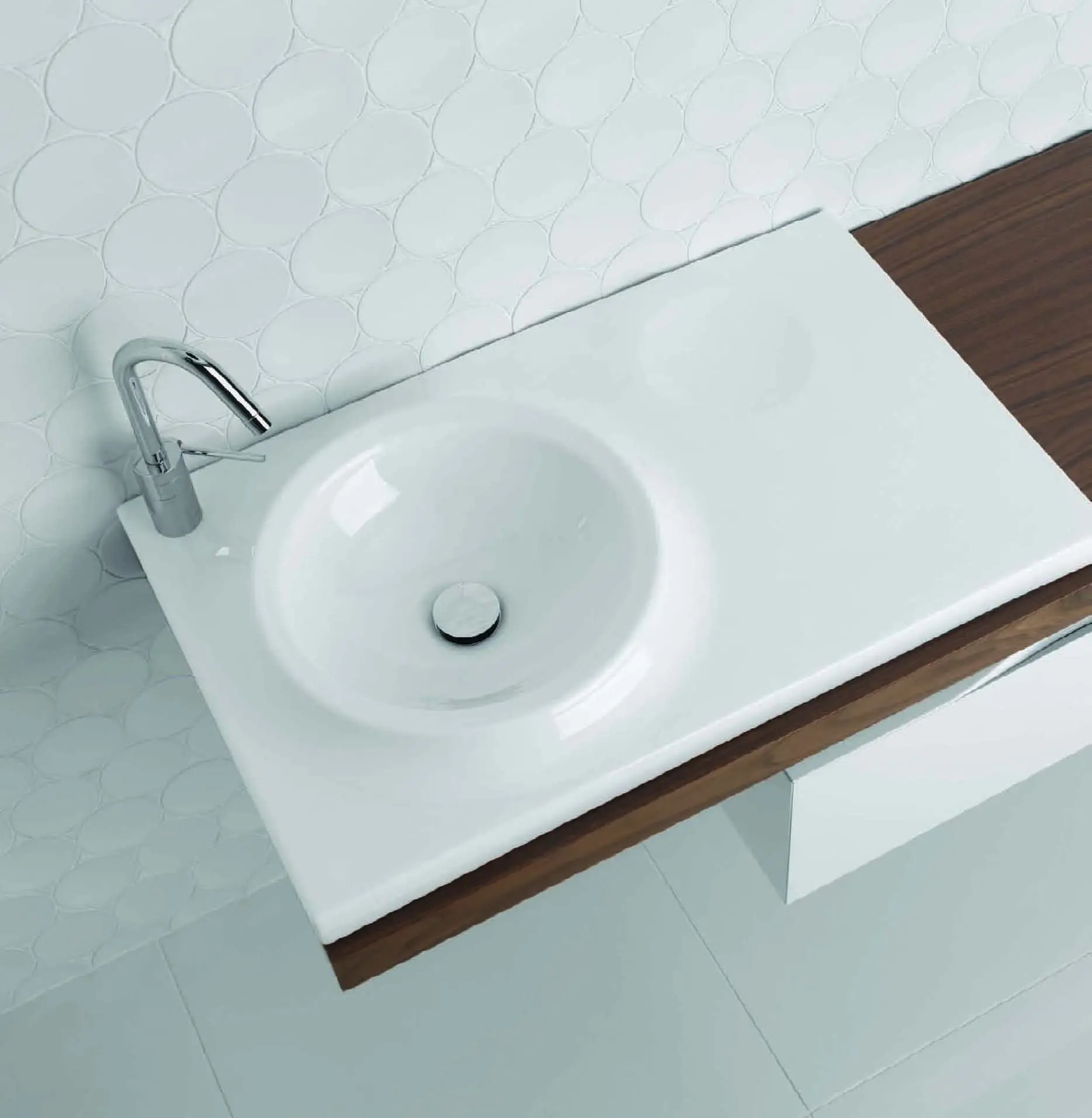
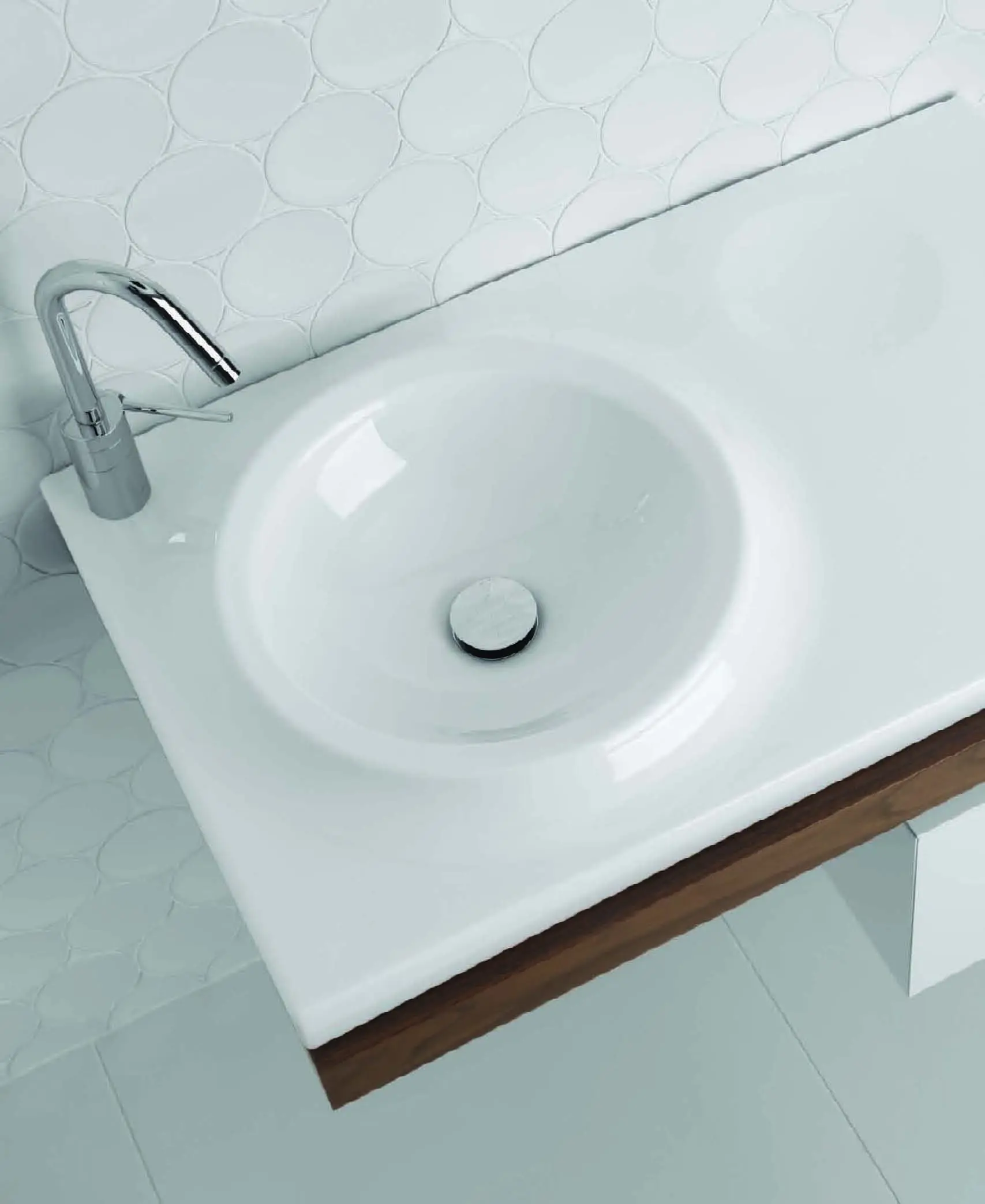
Dot begins with a single circular interruption in a quiet field. Repeated, mixed or accented with reflective finishes, it becomes a softer language of depth, touch and personal composition.
From collection
to place.
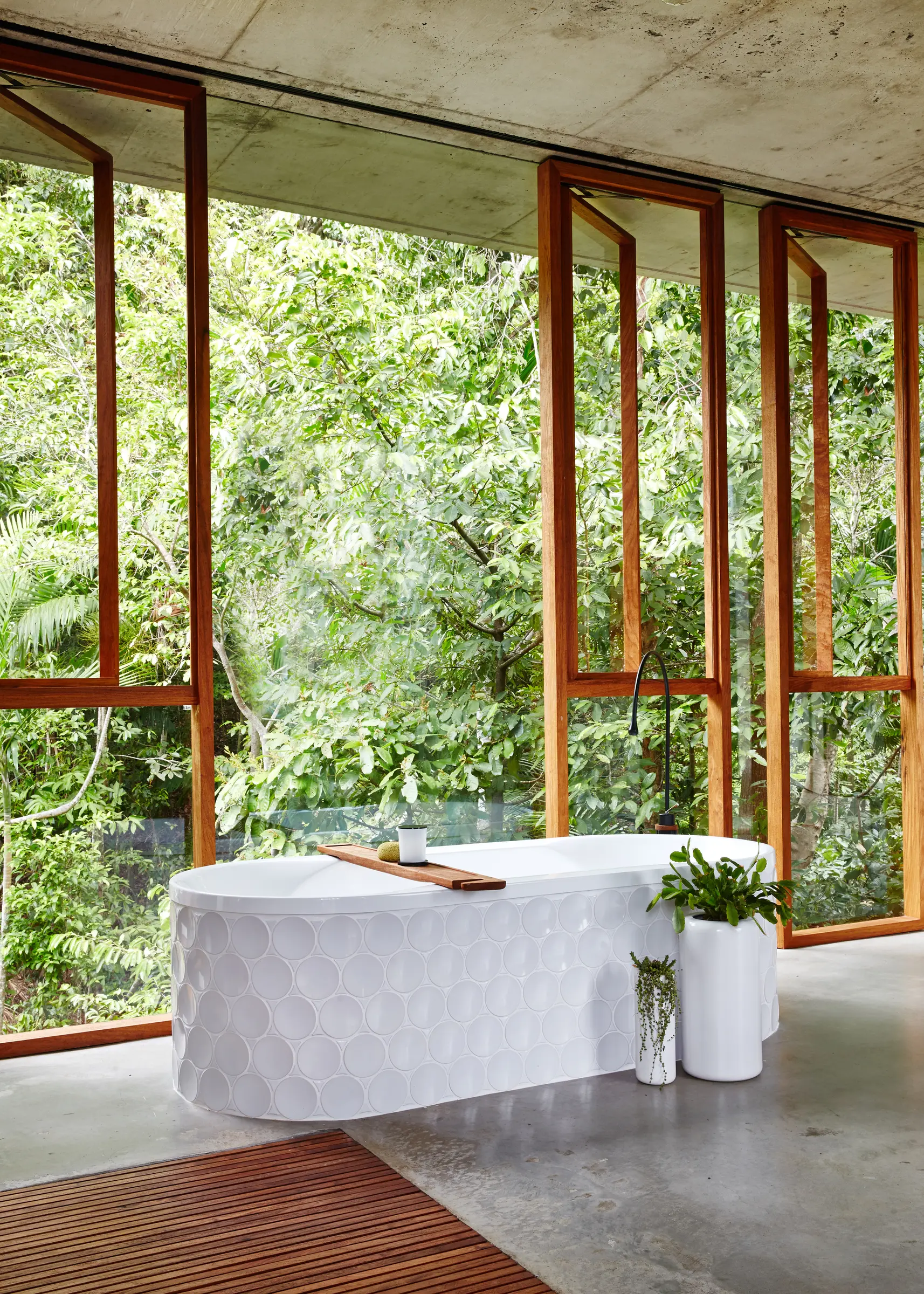
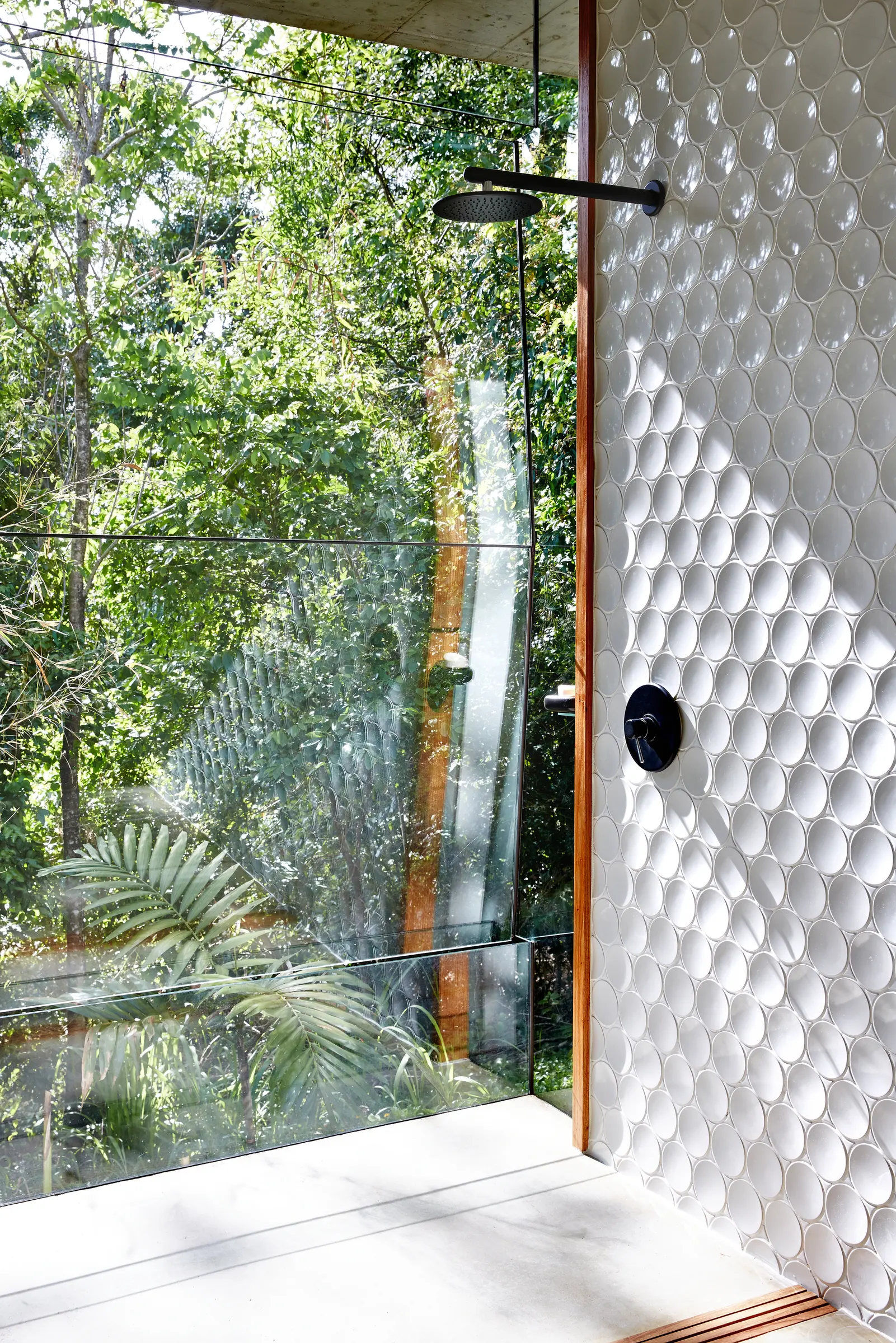
At Planchonella House in Australia, the circular relief leaves the showroom and enters a lush, lived environment. The white surface catches tropical light while remaining calm enough to sit beside glass, timber and dense vegetation.
Launched together.
Recognised together.
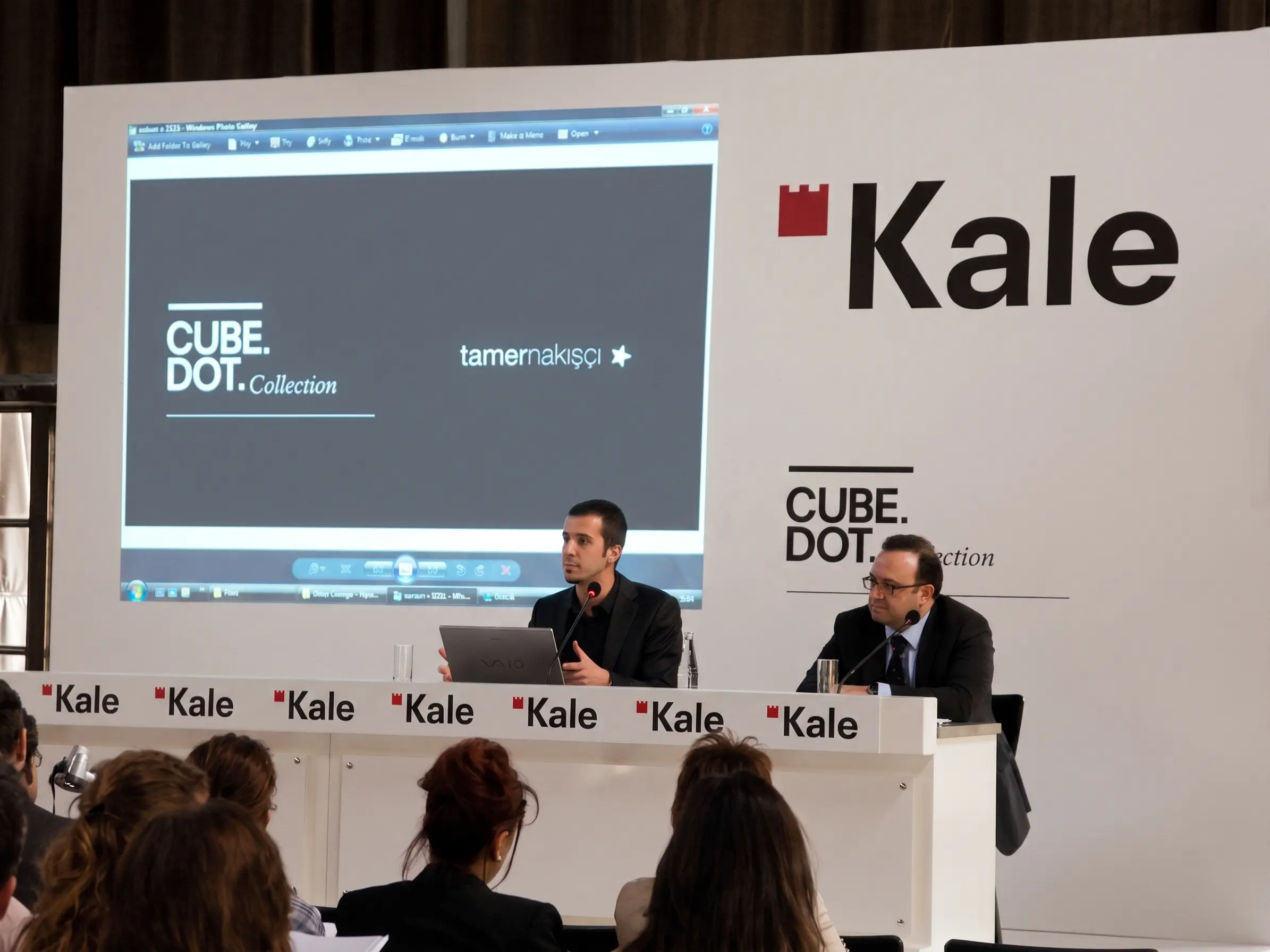
Cube and Dot were introduced as one forward-looking environment for KALE: two separate identities connected by the same belief that a collection should give people the tools to compose their own space. The project went on to receive Red Dot and iF recognition.