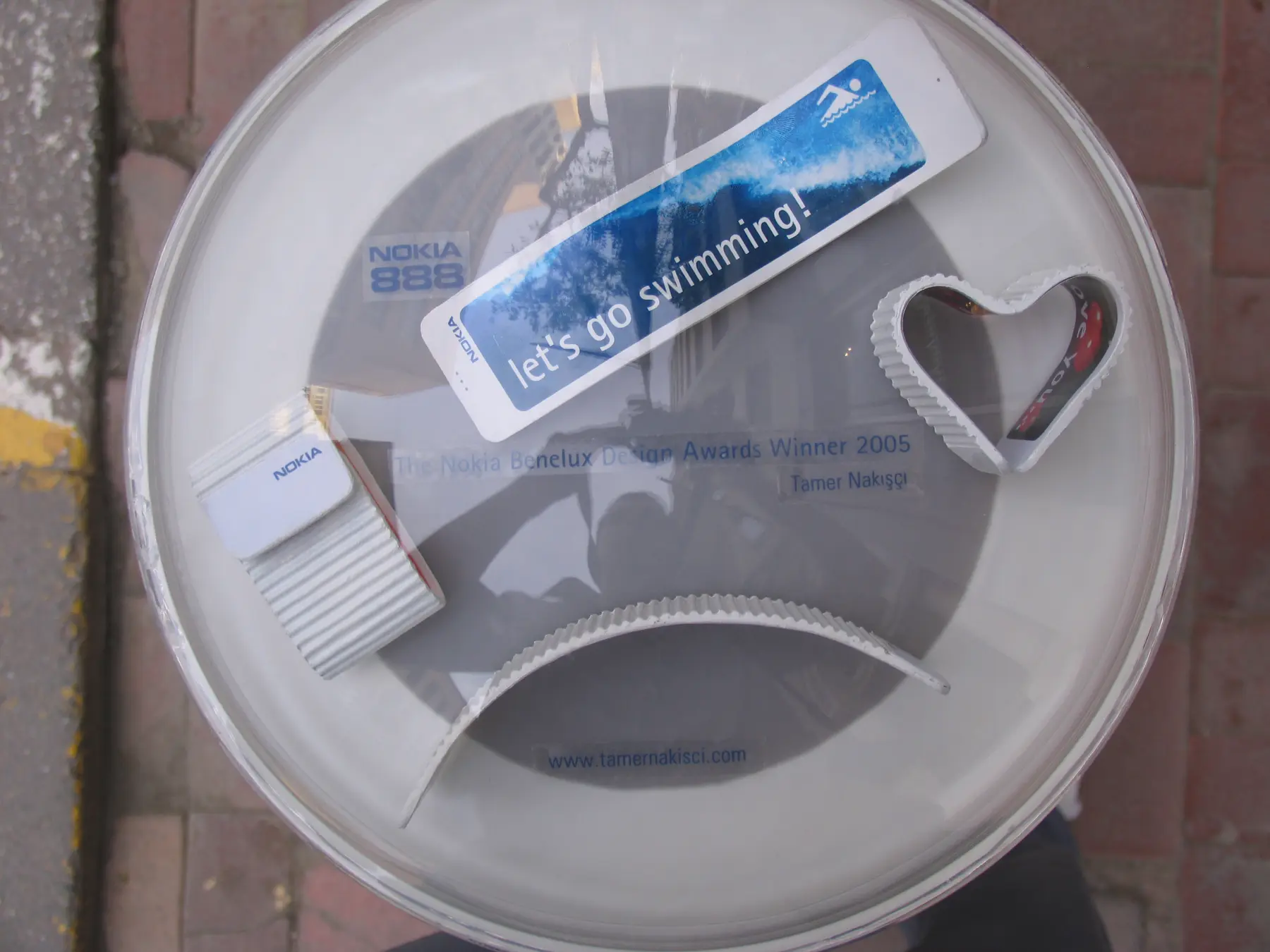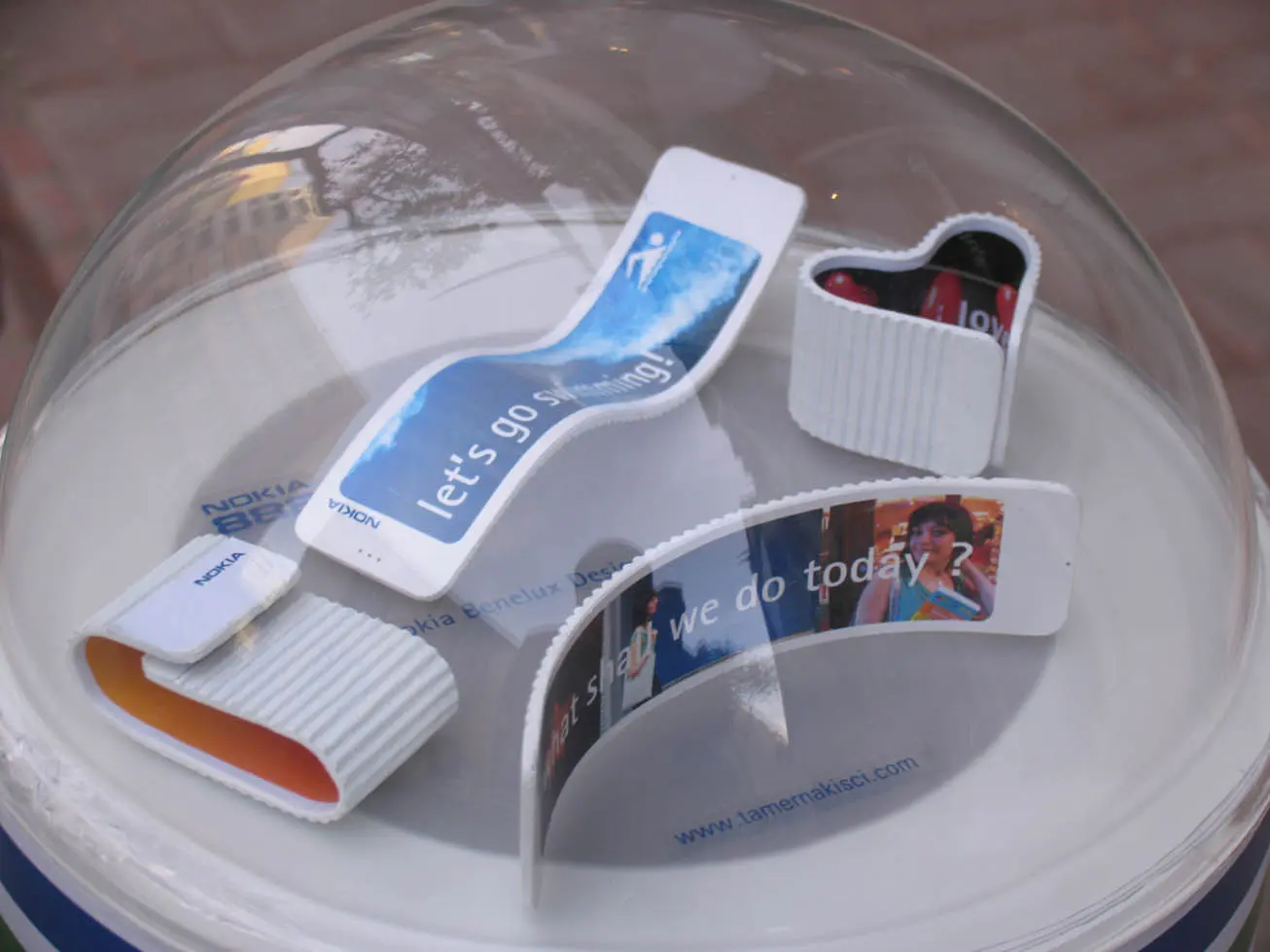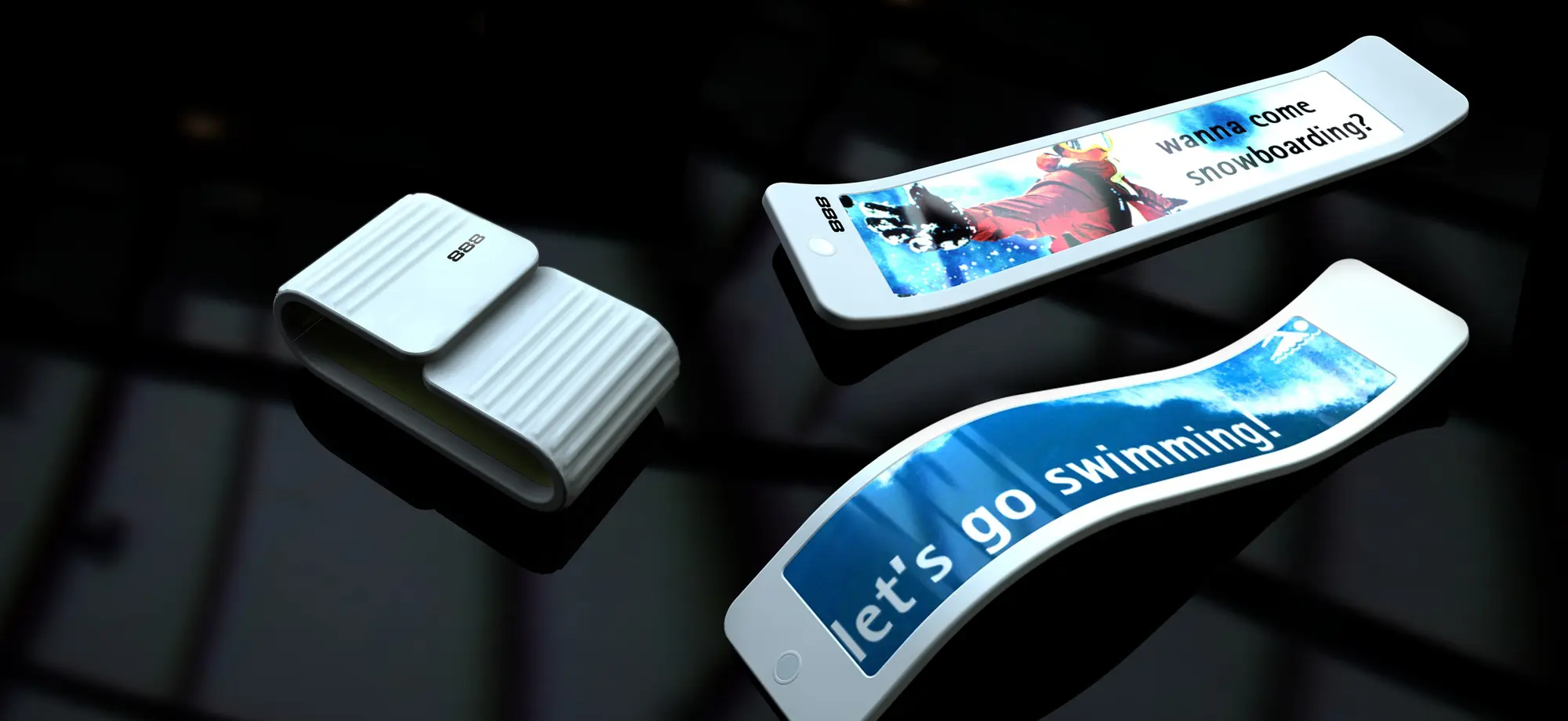
DESIGN CONCEPT
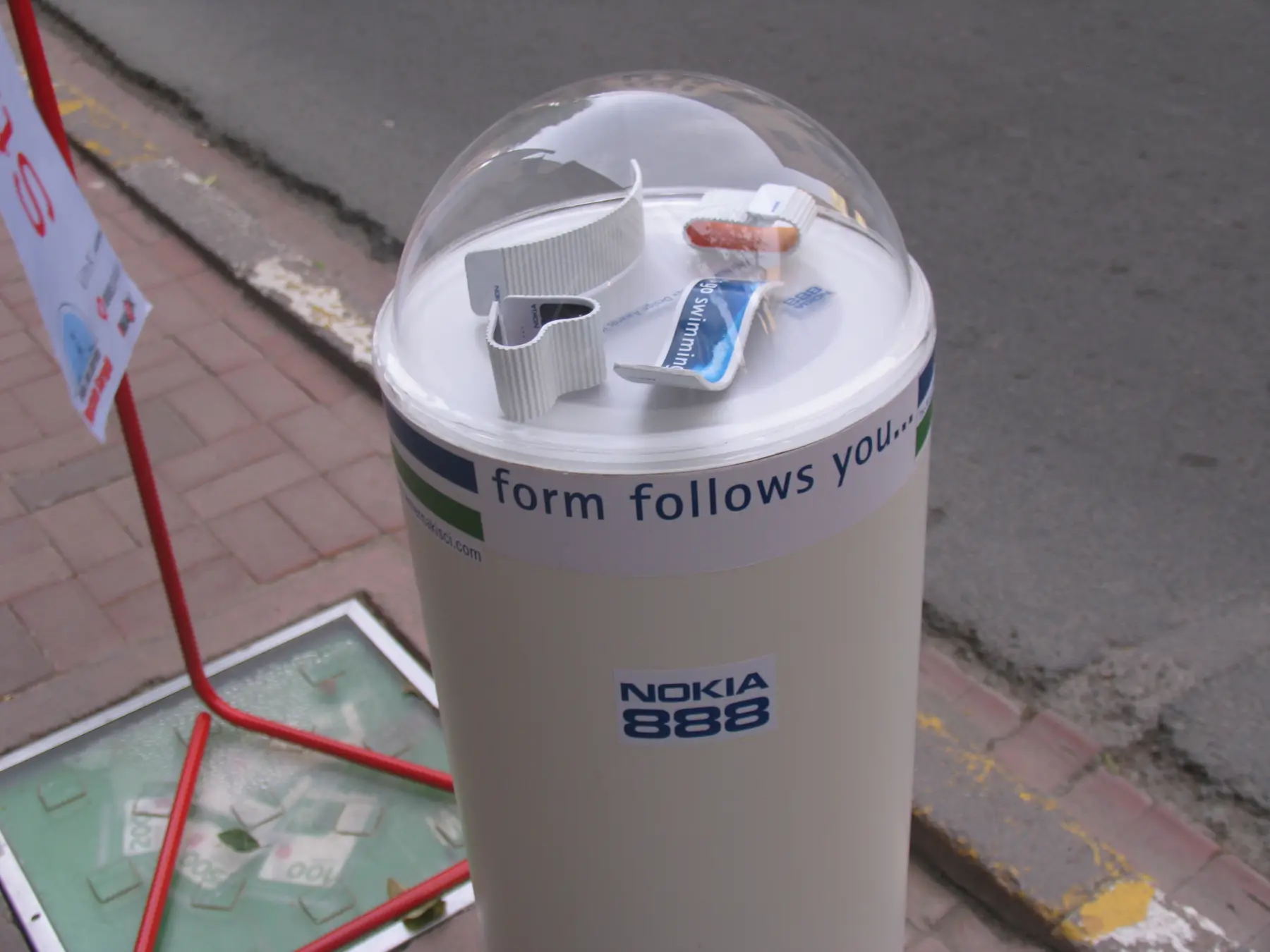
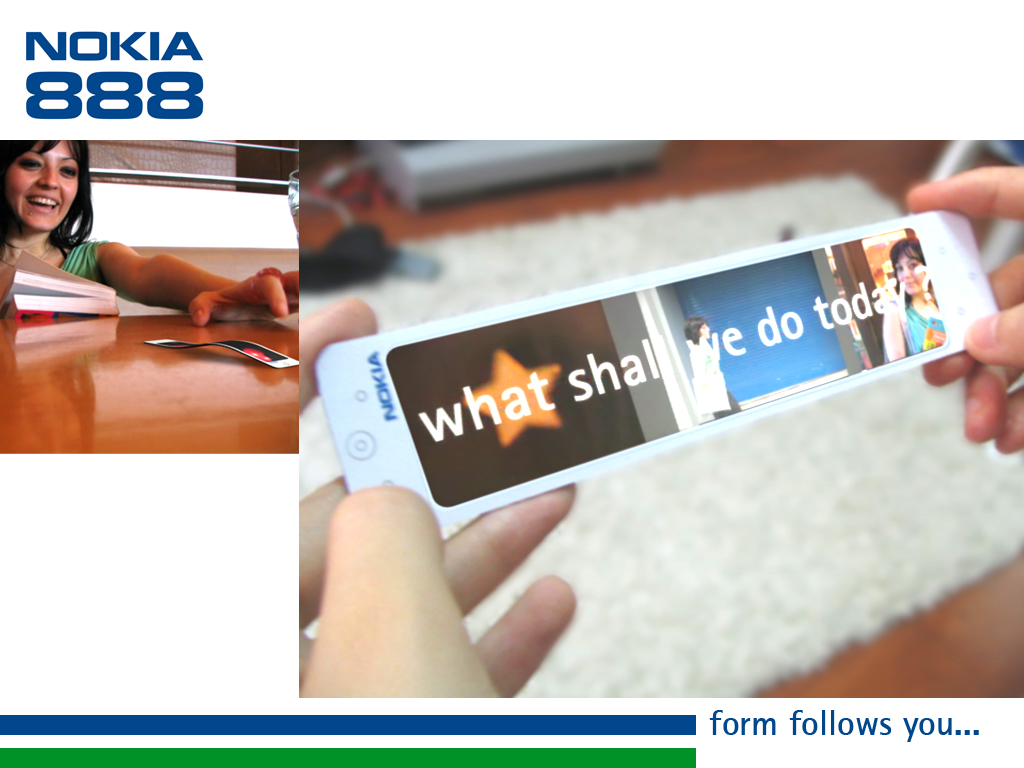
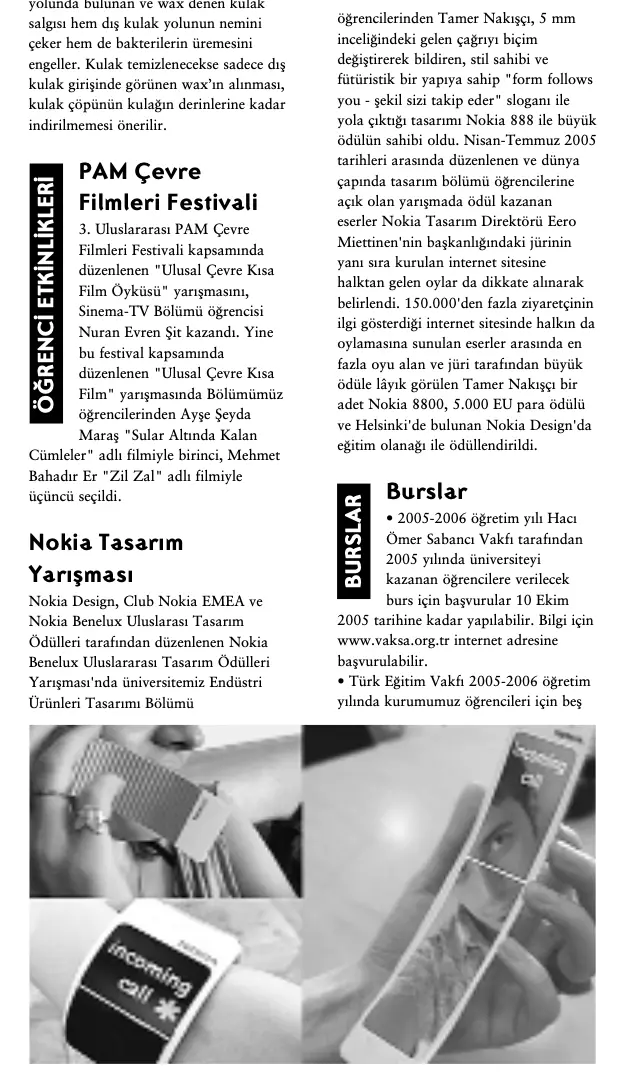
“Form follows you.” It is a mobile device which lets you be free and have fun. It is light, simple and carefree. You can change its form according to your needs during the day.

Futures / 2005
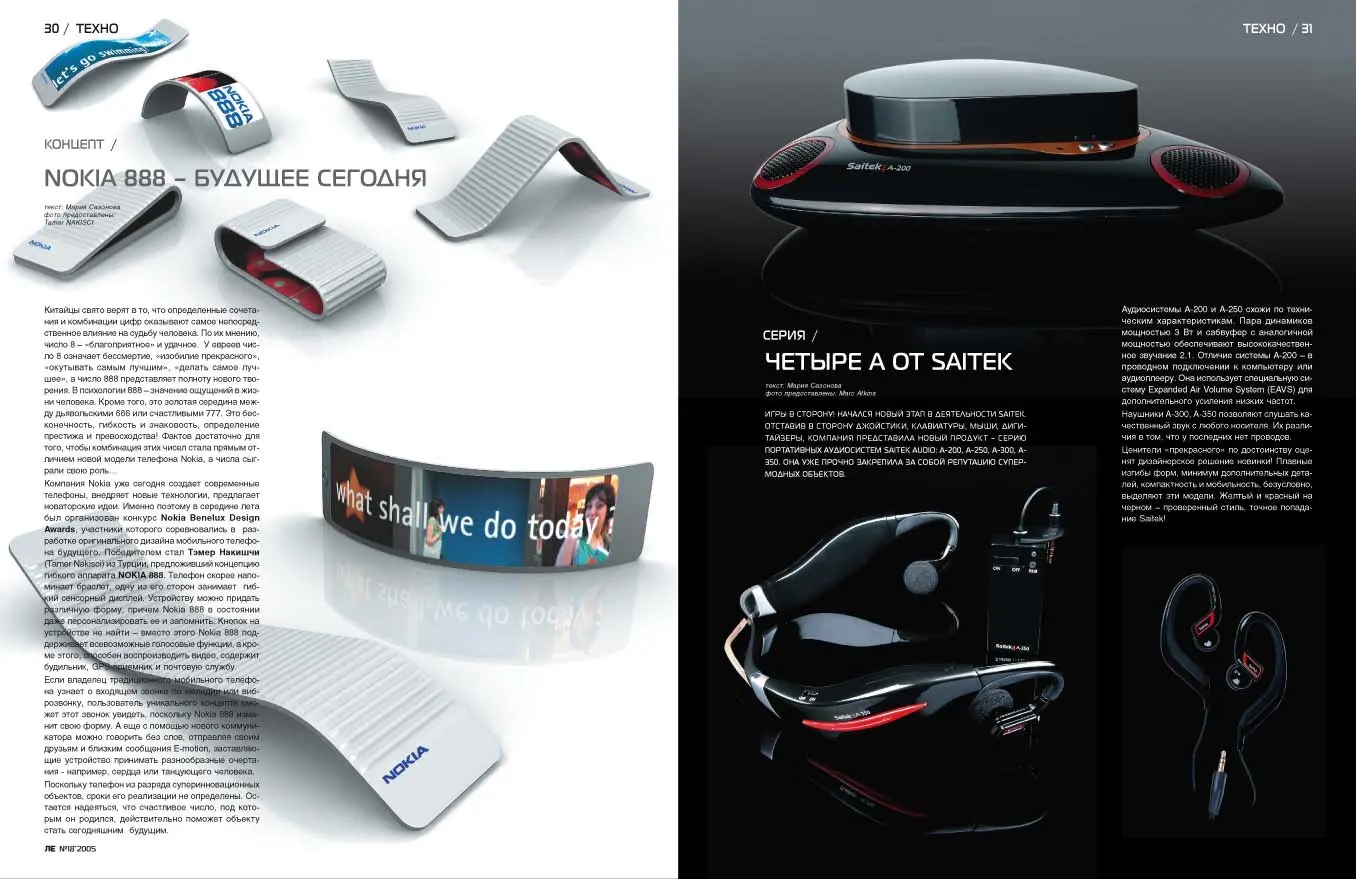
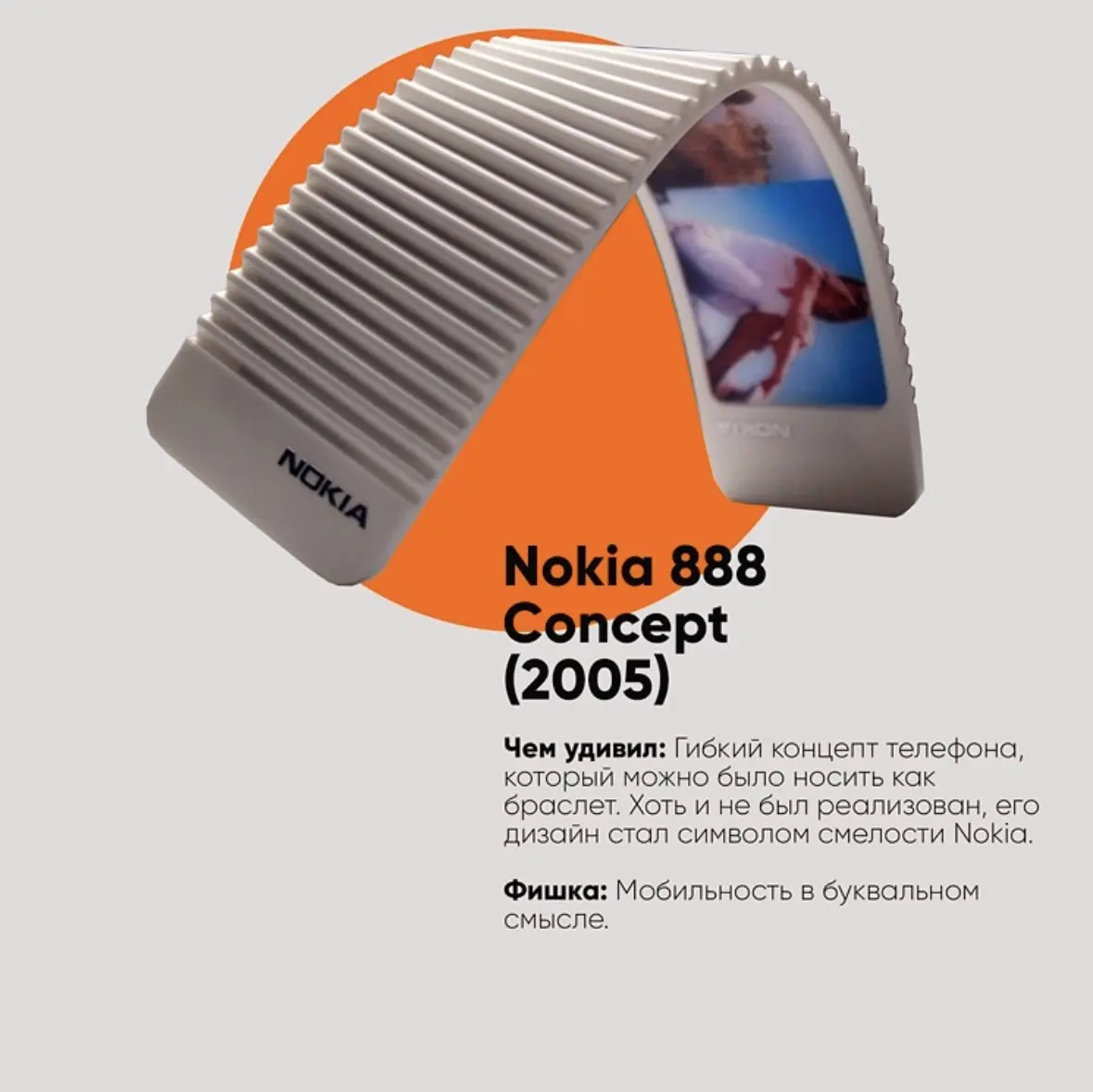
Nokia 888 is a futuristic concept mobile phone designed by Tamer Nakışçı, winner of the Nokia Benelux Design Awards in 2005. It imagined flexible and wearable displays long before foldable smartphones became reality.
What if a mobile device didn't have to have one final form? Could technology make that possible? In 2005—before the touchscreen interfaces became the default, and two years before the iPhone—Nokia 888 imagined a mobile device that could bend, roll, clip to clothing or wrap around the wrist. Its body changed with function, context and emotion.
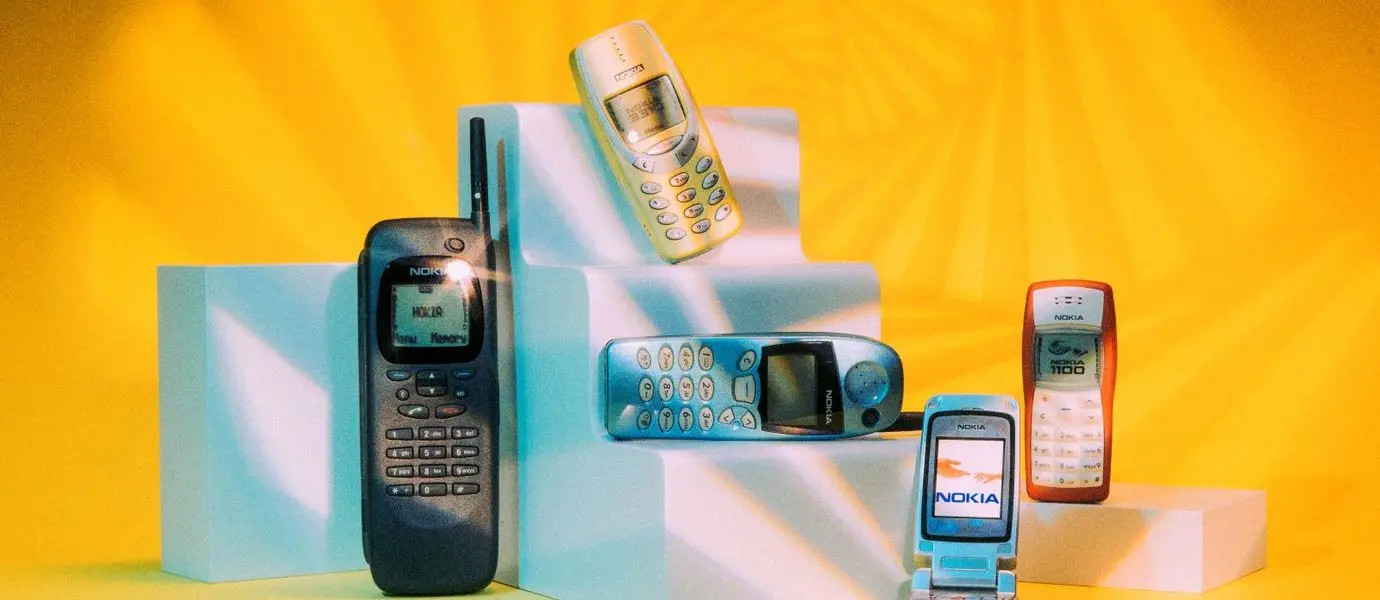 THE MOBILE LANDSCAPE / BEFORE THE TOUCHSCREEN SLABNOKIA DESIGN ARCHIVE / AALTO UNIVERSITY ↗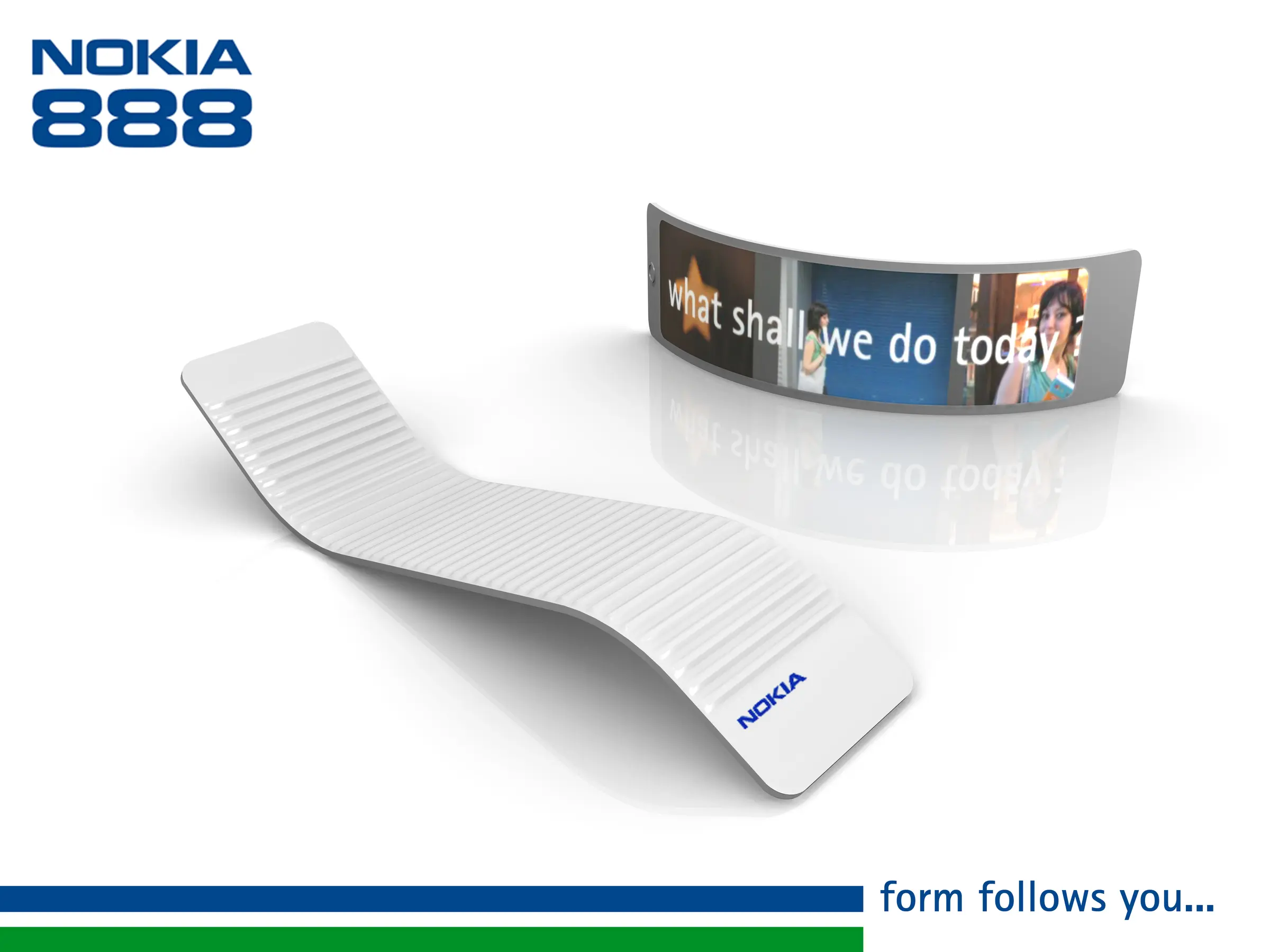
“The perfect form does not exist.”We create the perfect form for each function.
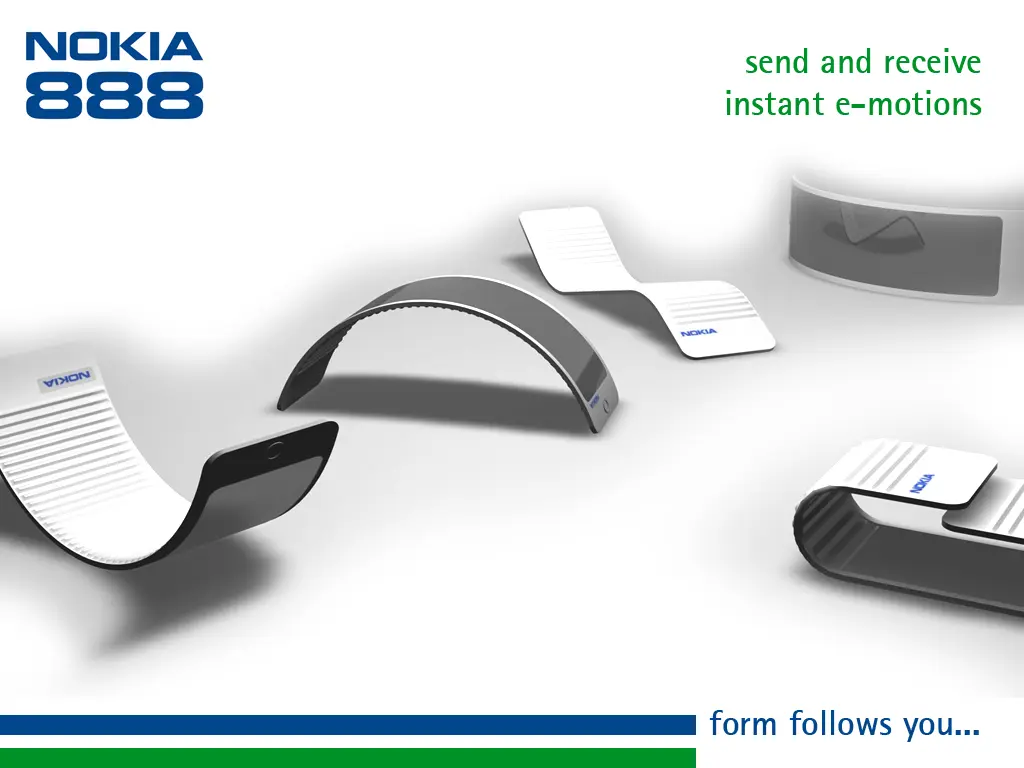
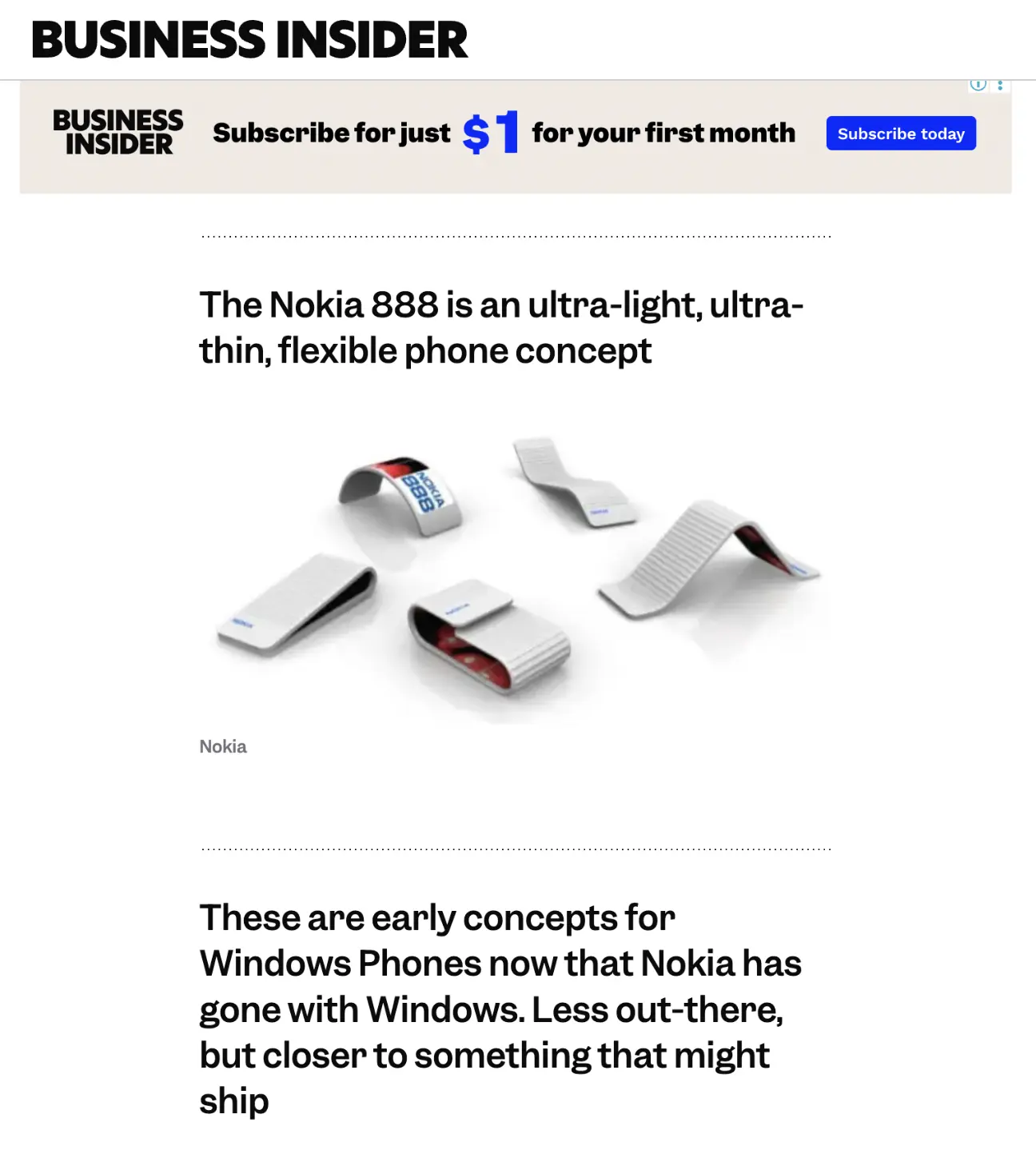
One body can turn into a bracelet, clip, desk object or a moving message. You can roll it, bend it, or put it on your clothes like a clip. When you want to talk on the phone, the body turns into the form of the good old telephone. The change itself is the interface.
The proposal combined technologies that existed or appeared possible with one openly speculative component: a fully flexible liquid battery.
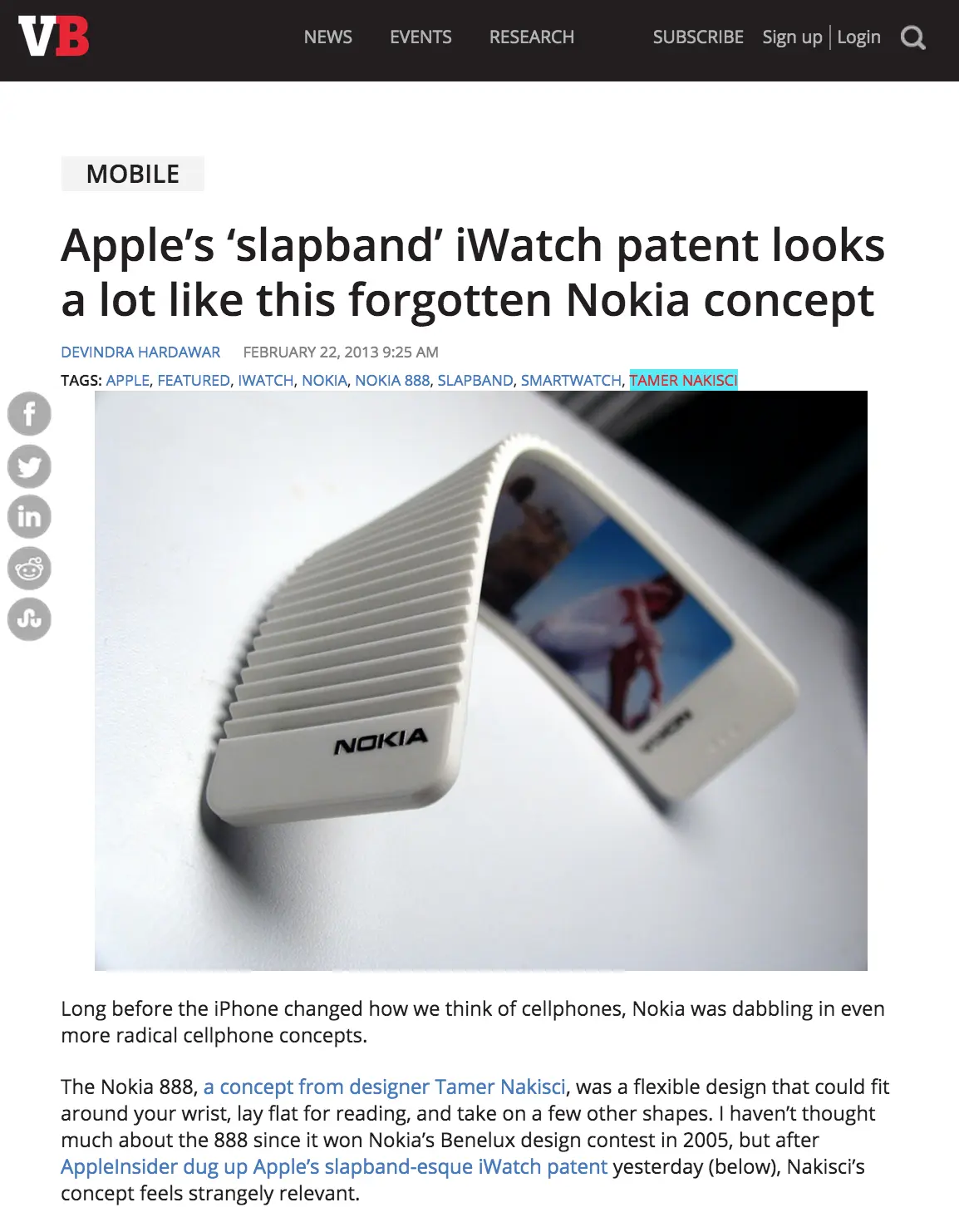
CONTEMPORARY TECH REPORT ↗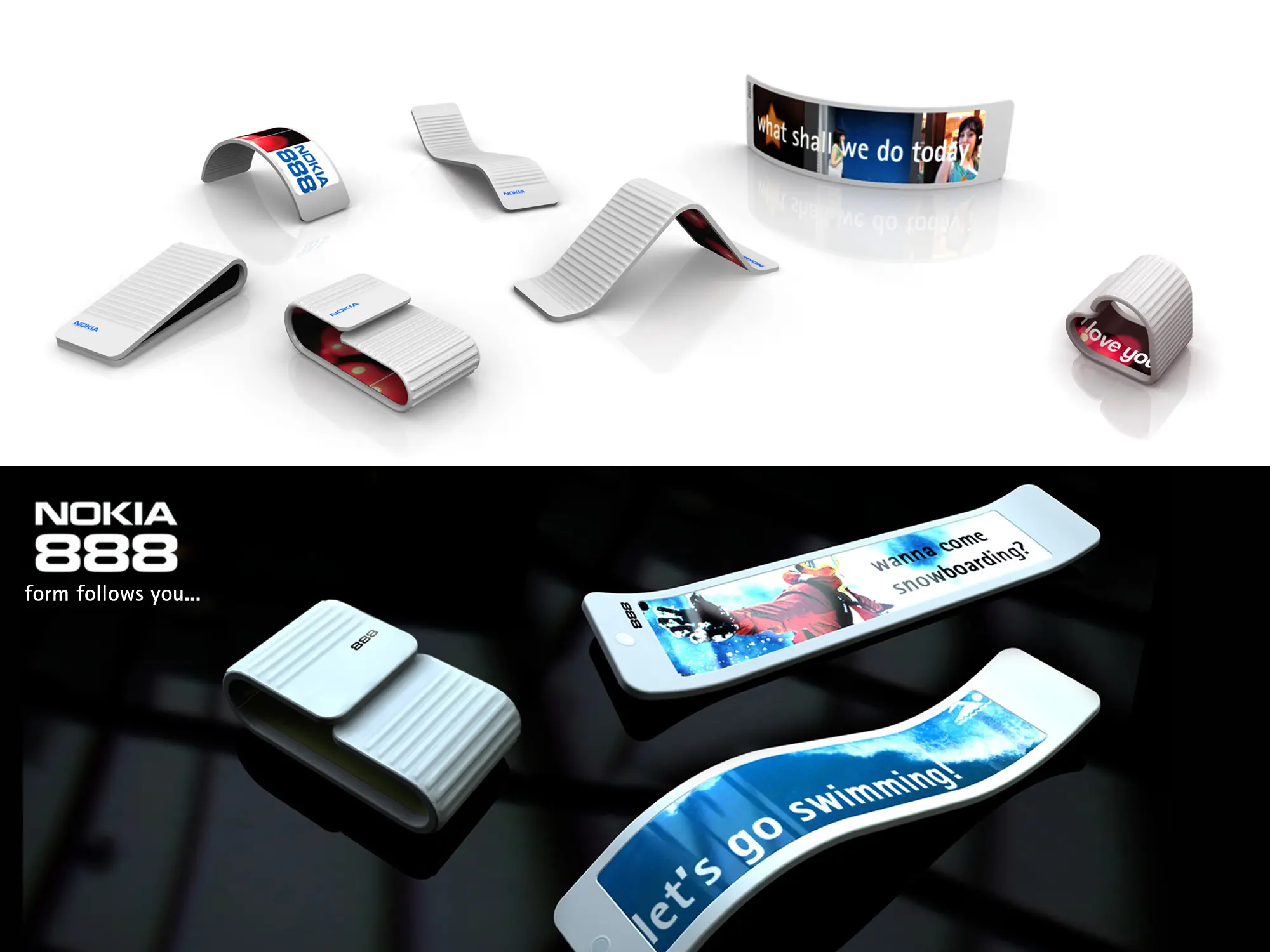
Conceived and produced for the original competition submission, the film made an impossible object immediately understandable through movement. It then travelled globally through design sites, technology blogs and early video platforms—an early form of viral circulation.
WATCH THE SURVIVING ORIGINAL UPLOAD ↗“Form follows you.” It is a mobile device which lets you be free and have fun. It is light, simple and carefree. You can change its form according to your needs during the day.
It is targeted to young consumers who are likely to be active and take part in many different activities.
Because they move and change place often. They do a lot of different things during the day. That is what my design offers: adjustment to the moment, the place and the function.
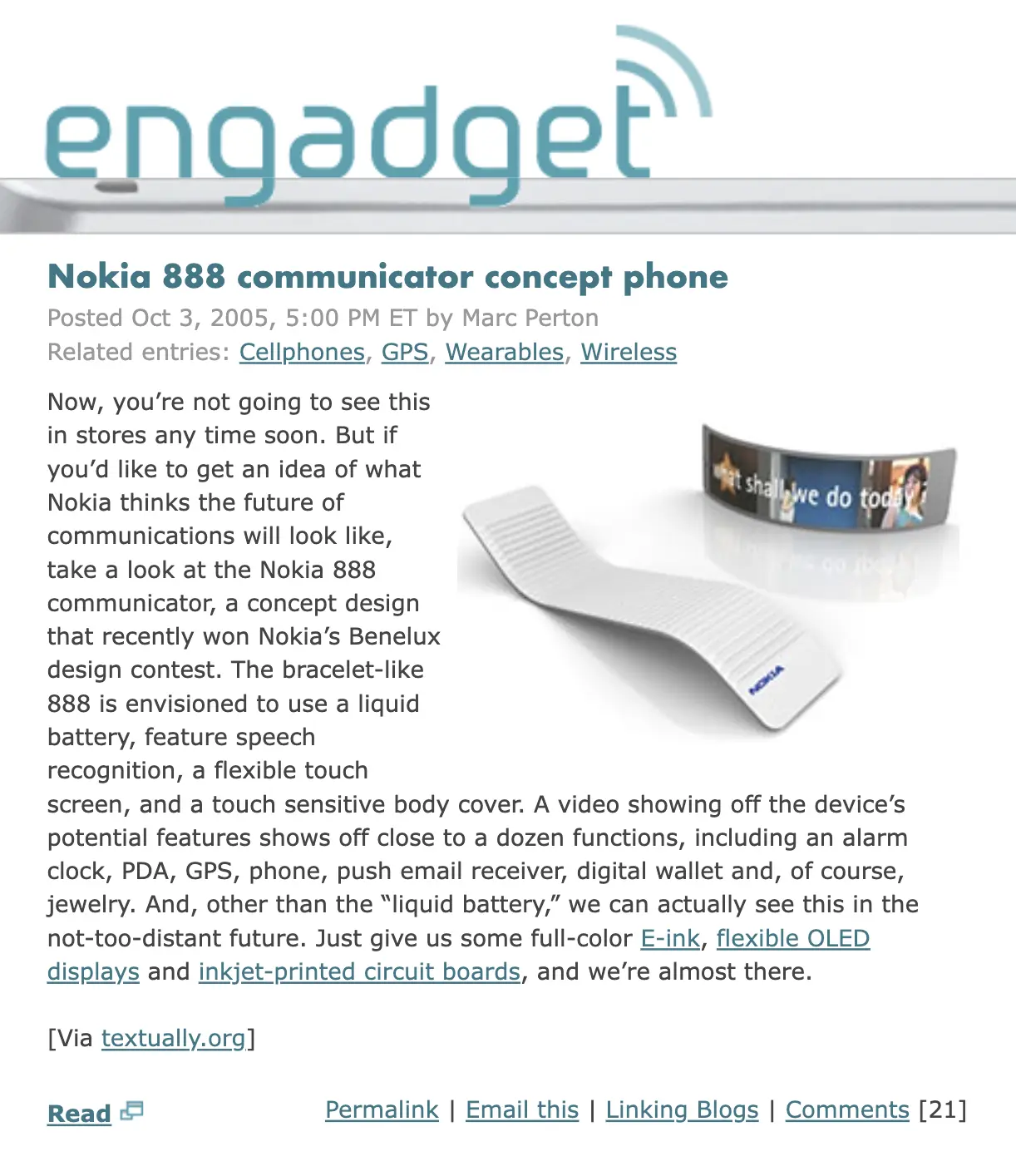
It uses a liquid battery, speech recognition, a flexible touchscreen and a touch-sensitive body cover which lets it understand and adjust to the environment. It has a simple programmable body mechanism, so it changes form in different situations.
You don't have to carry it in your pocket or on your wrist. You can carry it anywhere, in any form. You can roll it, bend it, or put it on your clothes like a clip. It also makes form changes that make it more ergonomic: when you want to talk on the phone, the body turns into the form of the good old telephone. You can personalize these forms and record them. So it fits you best in the way that you have chosen.
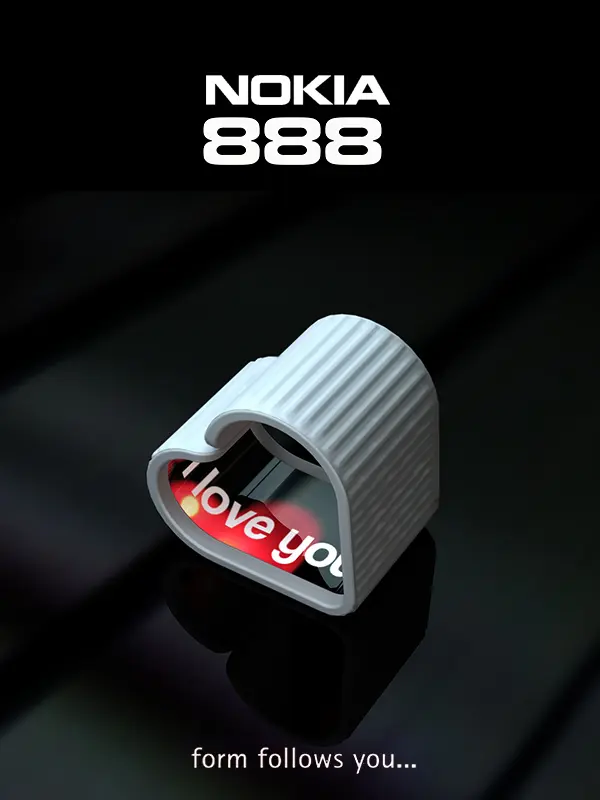
E-motions are the electronic motions of 888. You can send and receive forms from friends. You can send a heart shape to your girlfriend, so her telephone turns into an icon of a heart. Or you can send a dancing form to your friends to call them to a party. It senses your movements, understands what you want and responds in the best way. It learns you, to fit you better. This way you can talk without words.
You can change the form of the body. Not just the color. And you can do the same by sending an e-motion to your friend.
The idea is that “the perfect form” does not exist. We create the perfect form for each function. Form follows you.
E-motions let one 888 send a physical form to another—a heart, a small dance, an invitation. Meaning could arrive through movement before a word was read.
“This way you can talk without words.”ORIGINAL COMPETITION PROPOSAL / 2005
“The Nokia 888 is very simple, stylish, futuristic and conceptual in a very positive way.”— Eero Miettinen, Design Director, Nokia
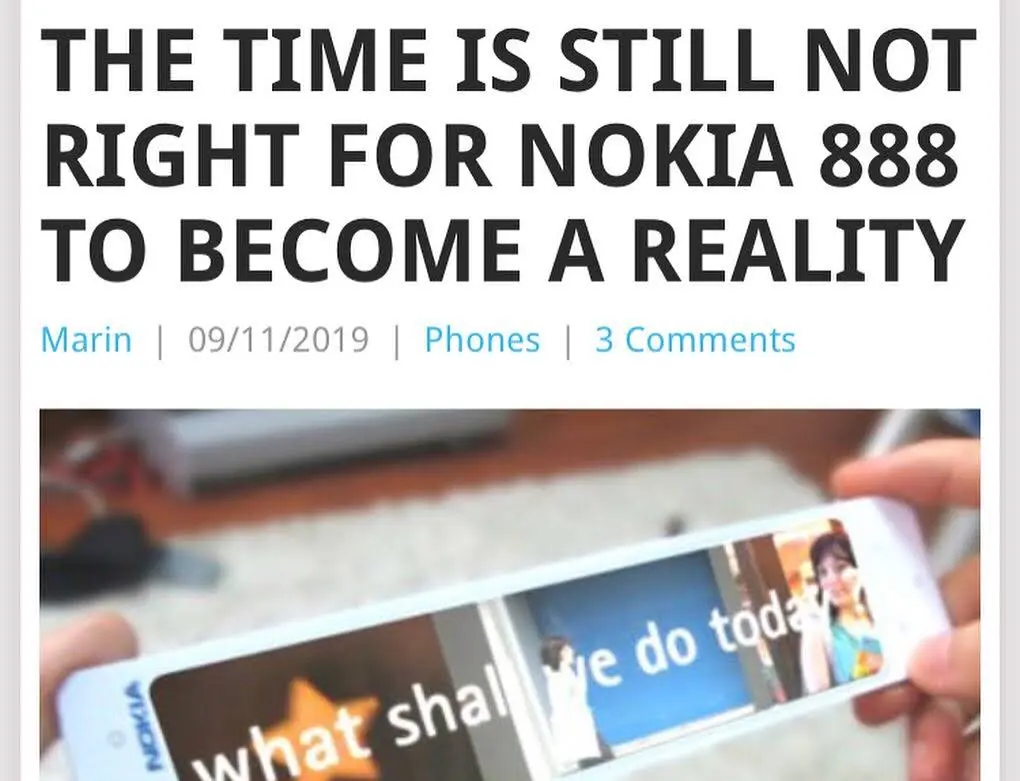
Within weeks, Nokia 888 moved through design and technology media, then through forums, reposts and early video culture. Long before the rigid touchscreen slab became the default, it gave people a different image of what a phone could be—and magazines, books and concept roundups kept returning to it.
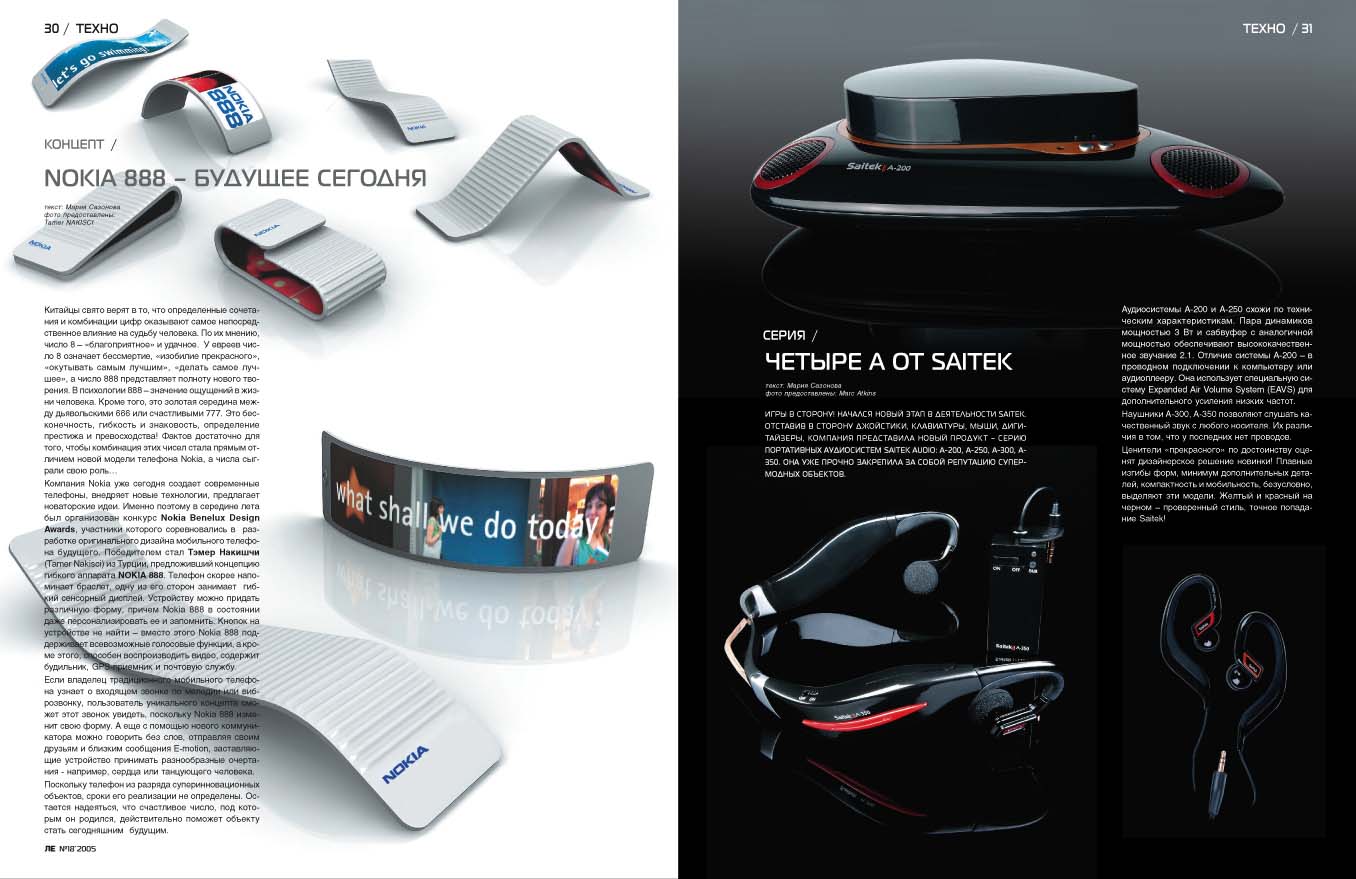
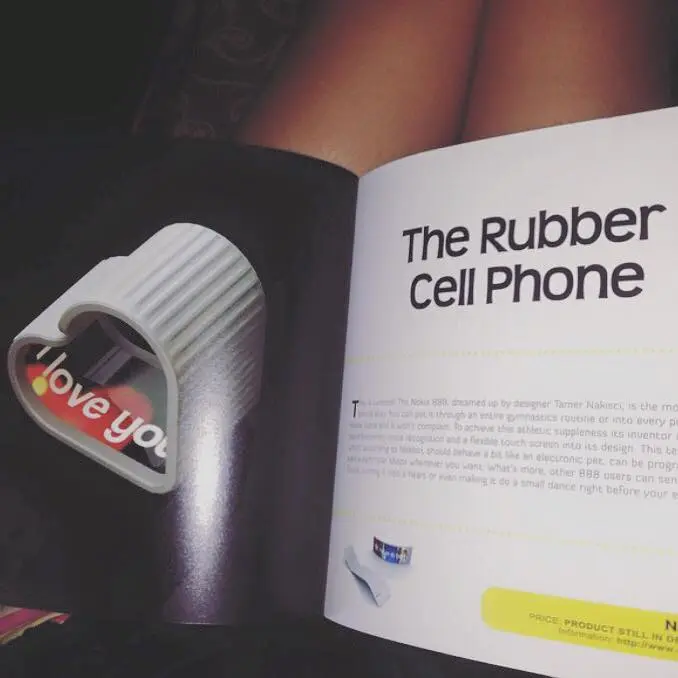
These later references do not establish direct influence. They show that the behaviours Nokia 888 brought together in 2005 remained present in professional, technical and product discourse years later.

Award + circulationGrand Prize, highest public vote and international press coverage.
EARLY INTERVIEW ↗Flexible-display discourseAn IEEE flexible-display presentation used Nokia 888 as an example of a possible “killer application.”
IEEE PRESENTATION ↗Nokia concept canonMicrosoft's Nokia archive ranked 888 third among its five leading Nokia concept phones.
NOKIA ARCHIVE ↗Formal design recordThe 2005 Nokia 888 publication appears as examiner-cited non-patent material in a Lenovo flexible phone design patent.
GOOGLE PATENTS ↗
A later behavioural parallelMotorola demonstrated an adaptive display used flat, self-standing or wrapped around the wrist.
MOTOROLA ↗